

Skip to content
Kenai King Counts
Live Sonar Data & Run Strength

Kenai King Counts

The Kenai River is home to the largest strain of king salmon in the world, including the world record 97-pound trophy. Managing these giants is a complex task. ADF&G uses sonar counters to track both early-run and late-run king salmon, implementing adaptive regulations to ensure these legendary fish survive for future generations.

Large Fish Sonar (>75cm)

Tech filters out smaller species, ensuring counts represent adult spawning king salmon.

Adaptive Regulations

Daily counts determine if bait is allowed, if retention is closed, or if catch-and-release is active.

Dual Run Windows

Tracks the early run in May/June and the massive late run throughout July.

From the River

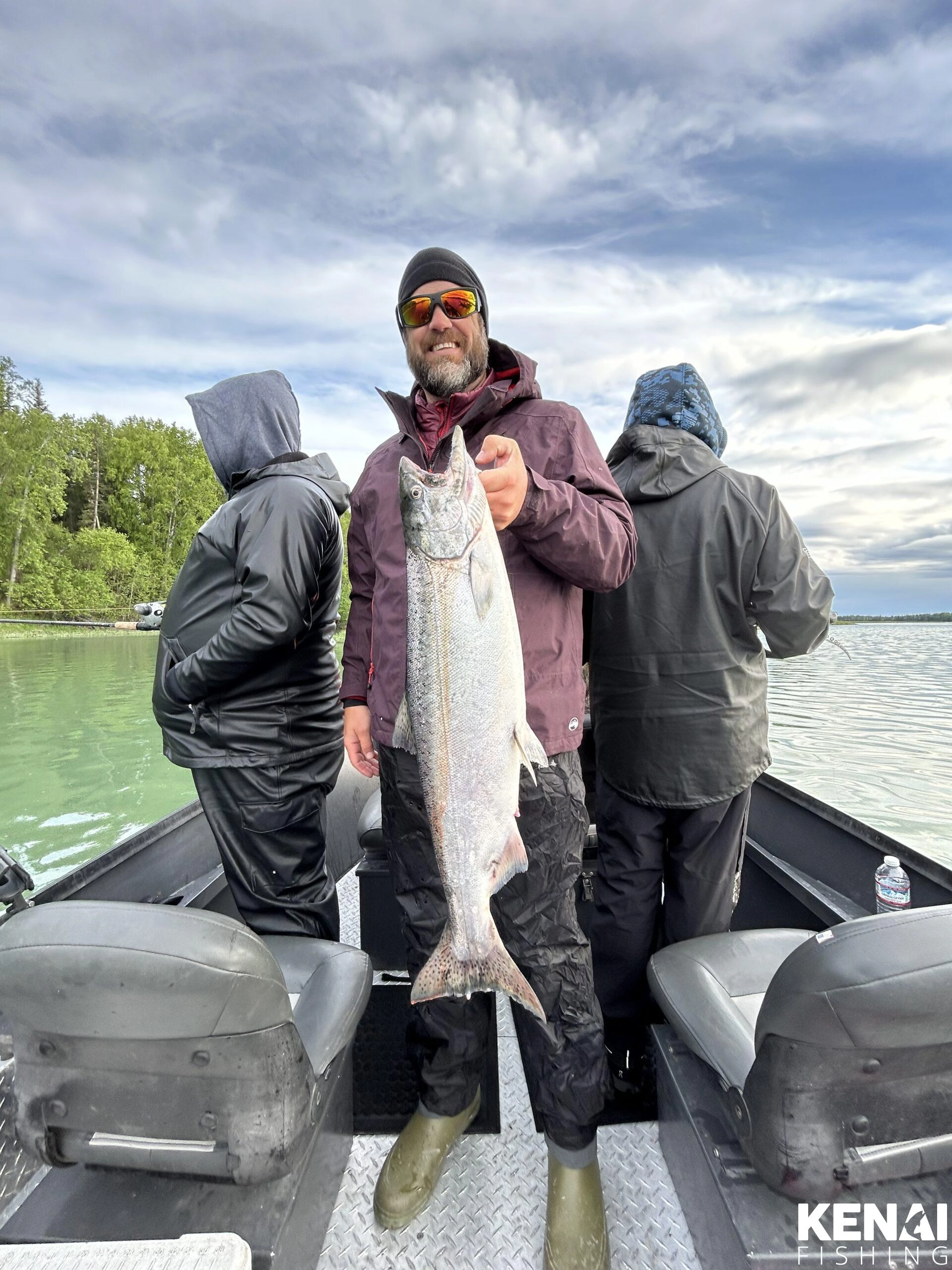
Kenai fishing guide trip photo 1
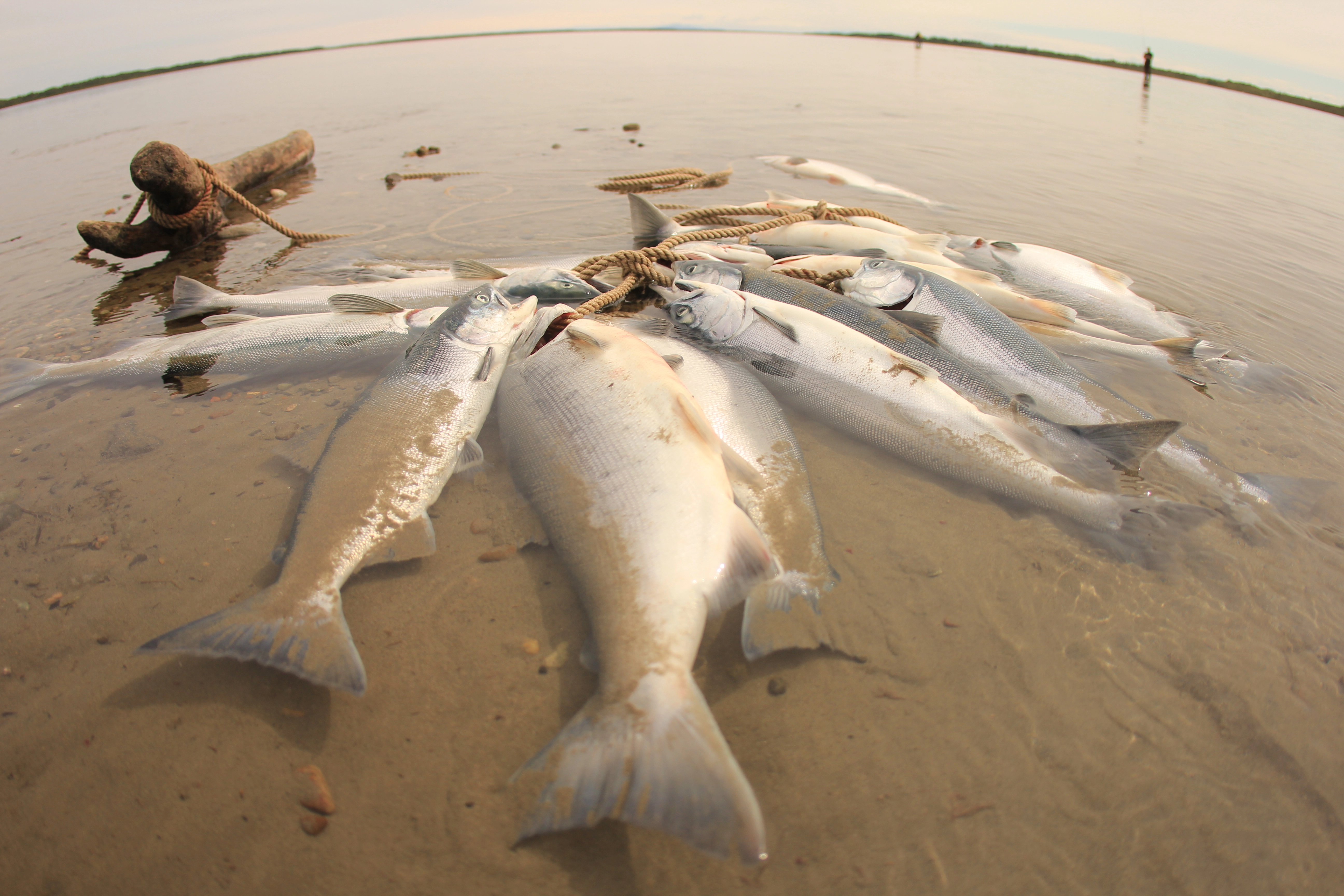
Kenai fishing guide trip photo 2
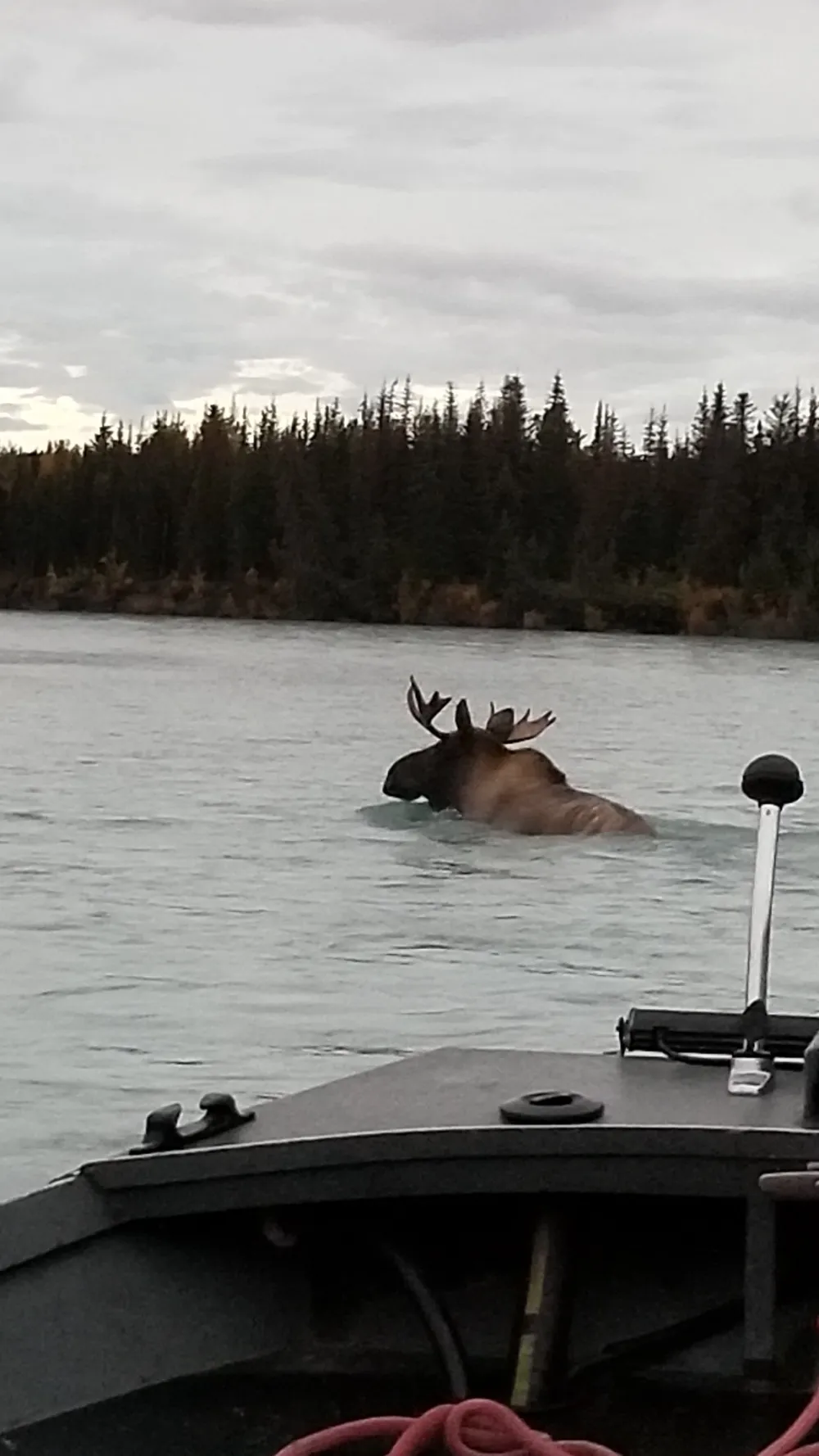
Kenai fishing guide trip photo 3
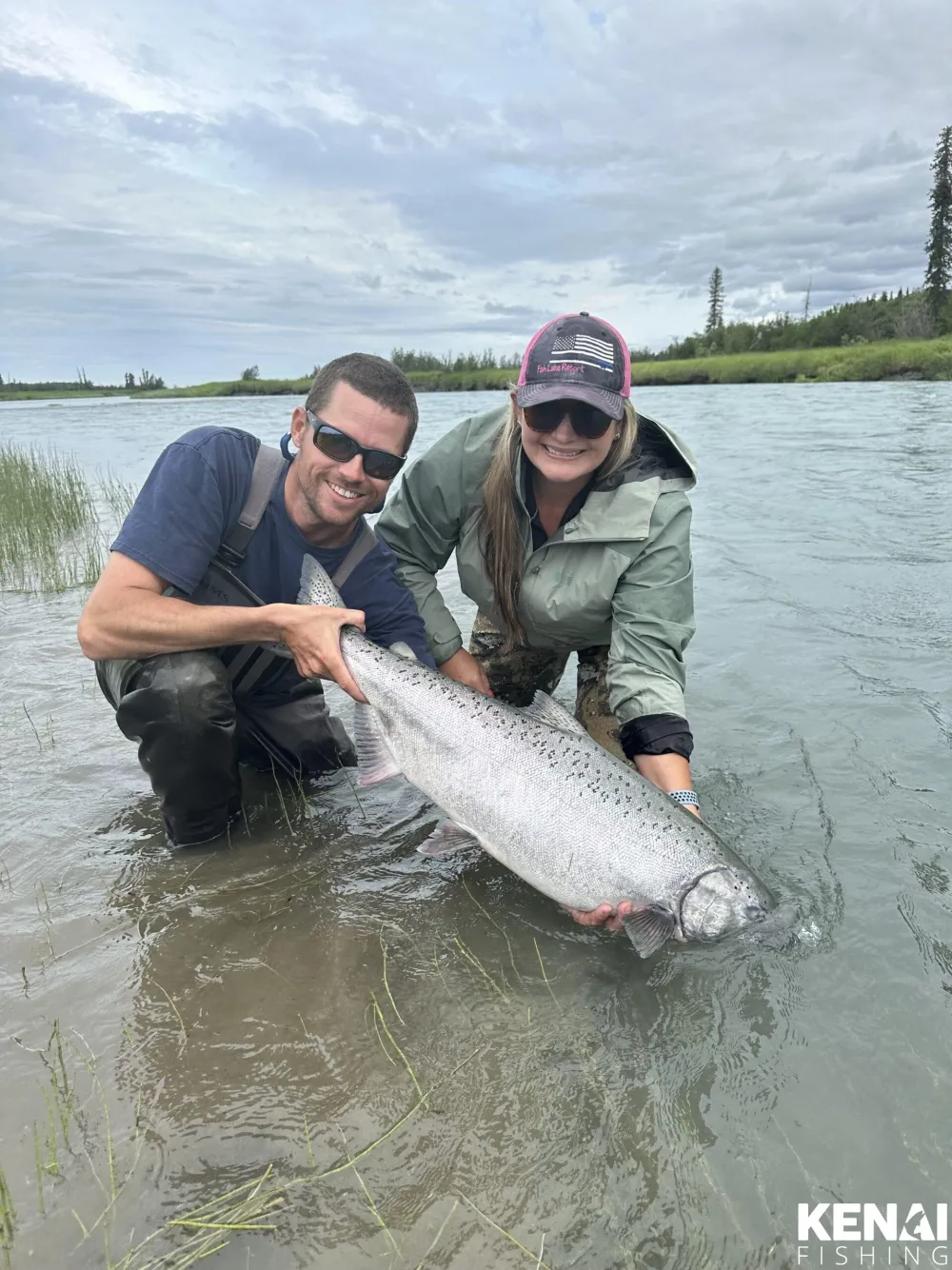
Kenai fishing guide trip photo 4
Kenai fishing guide trip photo 5
Kenai fishing guide trip photo 6

Live King Salmon Sonar Charts

Compare the current season's early-run and late-run king salmon counts. Use the filters to view historical cumulative and daily charts.

Early Run (May 16 - Jun 30)

Live Fish Counts

kenai River
king Salmon Escapement Detailed Guide & Analysis →

Late Run (Jul 1 - Aug 20)

Live Fish Counts

kenai River
king Salmon Escapement Detailed Guide & Analysis →

How ADF&G Counts Kenai Kings

Counting king salmon in the glacial waters of the Kenai River presents unique challenges. High turbidity (glacial flour) makes visual counting impossible. Instead, ADF&G operates sonar transducers on both the north and south banks at River Mile 14 (historically RM 9).

To ensure the sonar data isolates adult spawning chinook, the system uses spatial filtering and acoustic size thresholds. Technicians analyze the echo returns to measure the length of passing fish. Only fish exceeding 75 centimeters (mid-eye to tail fork) are counted as large king salmon. This methodology ensures management decisions are backed by the exact spawning cohort that matters most for conservation.

Early Run vs. Late Run

The Kenai hosts two genetically distinct runs of king salmon, each spawning in different habitats and requiring customized management models.

Early Run (May 16 - June 30)

Early-run fish typically head to tributaries like the Killey River or Funny River. These runs are smaller in volume (historical goal of 2,800 to 5,600 fish) but contain iconic, aggressive salmon. Because of lower run sizes, the early run is strictly managed with bait prohibitions and slot limits.

Late Run (July 1 - August 10)

Late-run kings spawn in the mainstem Kenai River. This run is much larger, with an escapement goal of 14,200 to 30,000 large fish. It attracts intense sport fishing interest, but runs are heavily scrutinized by sonar to prevent overharvest, especially during commercial sockeye net openings.

Slot Limits & Conservation Goals

King salmon conservation is the highest priority on the Kenai River. In response to declining counts of giant, multi-ocean fish, ADF&G enforces strict regulations:

  • Slot Limit Protection: Mid-season emergency orders often restrict retention to fish under 34 inches, requiring the live release of all large spawners.
  • Bait Prohibitions: If sonar projections show a risk of falling below the minimum escapement threshold, bait is prohibited, allowing only artificial, single-hook lures to reduce injury rates.
  • Personal Use Closures: If the sport fishery is closed to retention, the Cook Inlet commercial drift gillnet and personal use dipnetting fisheries are adjusted to minimize king salmon catch.

Techniques for Kenai Kings

Angling for Kenai kings requires heavy tackle, precision boat control, and infinite patience. Common methods used by guides include:

01.

Backtrolling Plugs: Drift boats and powerboats backtroll plug lures (like Kwikfish K15, K16, or Flatfish) against the current. The action of the plug drives king salmon to strike out of aggression.

02.

Backbouncing Eggs: When bait is permitted, guides backbounce cured salmon roe along the river bottom, letting the scent trail draw fish out of deep holes.

03.

Tidal Fishing: Fishing the lower river during tide changes targets fresh, sea-run kings entering the river system. These fish are highly energetic and strike readily.

Historical Kenai King Sonar Totals

Year Early Run (RM 14) Late Run (RM 14) Status Management Actions
2022 2,450 13,800 Restricted Low runs triggered bait closures and catch-and-release orders.
2023 1,980 12,100 Closed Strict conservation closures implemented to protect spawning biomass.
2024 2,200 14,500 Restricted Slight run improvement, but late run remained restricted to catch-and-release.
2025 2,650 15,800 Met Goal Late run met the lower escapement threshold, allowing sport angling.

King Sonar FAQ

Is bait allowed for Kenai king salmon?
By default, bait is prohibited in May and June. In July, bait is permitted unless ADF&G sonar projections indicate that the escapement goal will not be met, in which case a bait ban is issued.
Can I retain a king salmon caught from a boat?
Retention rules are subject to change. If retention is open, only one king salmon may be kept per day. Many guides recommend voluntary catch-and-release of all wild Kenai kings.
What is the difference between hatchery and wild kings?
Wild kings spawn naturally in the river. Hatchery kings (commonly found in the kasilof river) have their small adipose fin removed at the hatchery, allowing easy visual identification.
20+ Years on the River
★★★★★ 5-Star Guides
100% Licensed & Insured
2K+ Happy Anglers
2026 Season

Book Your Alaska Fishing Adventure

Prime dates fill months in advance. Sockeye, coho, rainbow trout — whatever you're after, Ian will put you on fish.

Kenai River — Soldotna, Alaska  ·  Licensed Guide  ·  All Gear Included