

Rainbow Trout
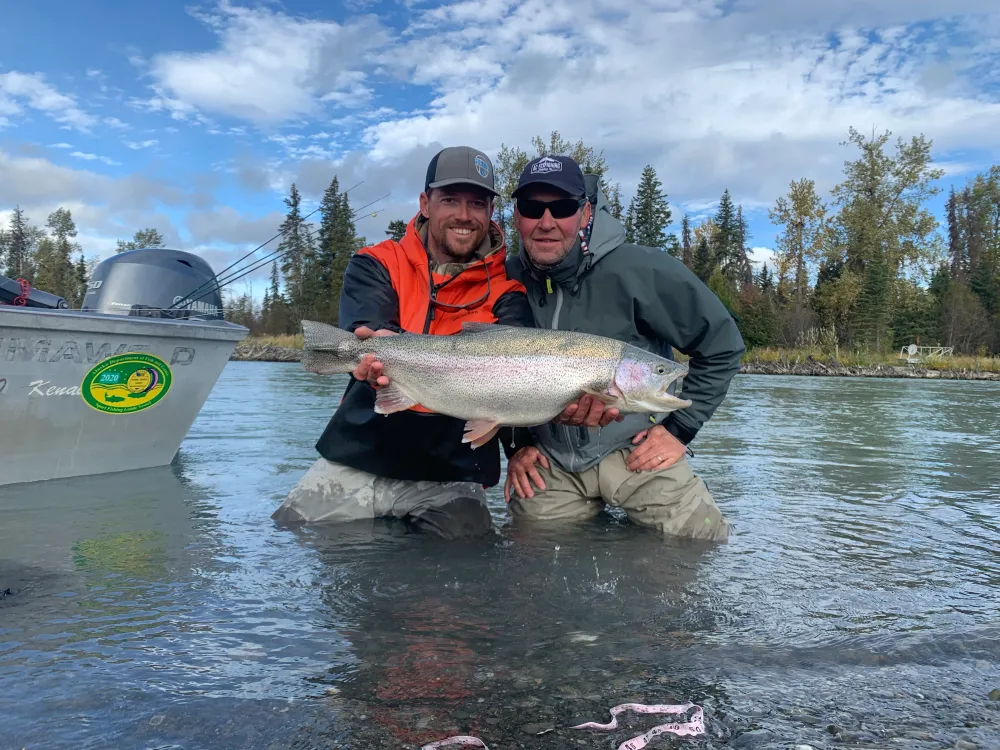
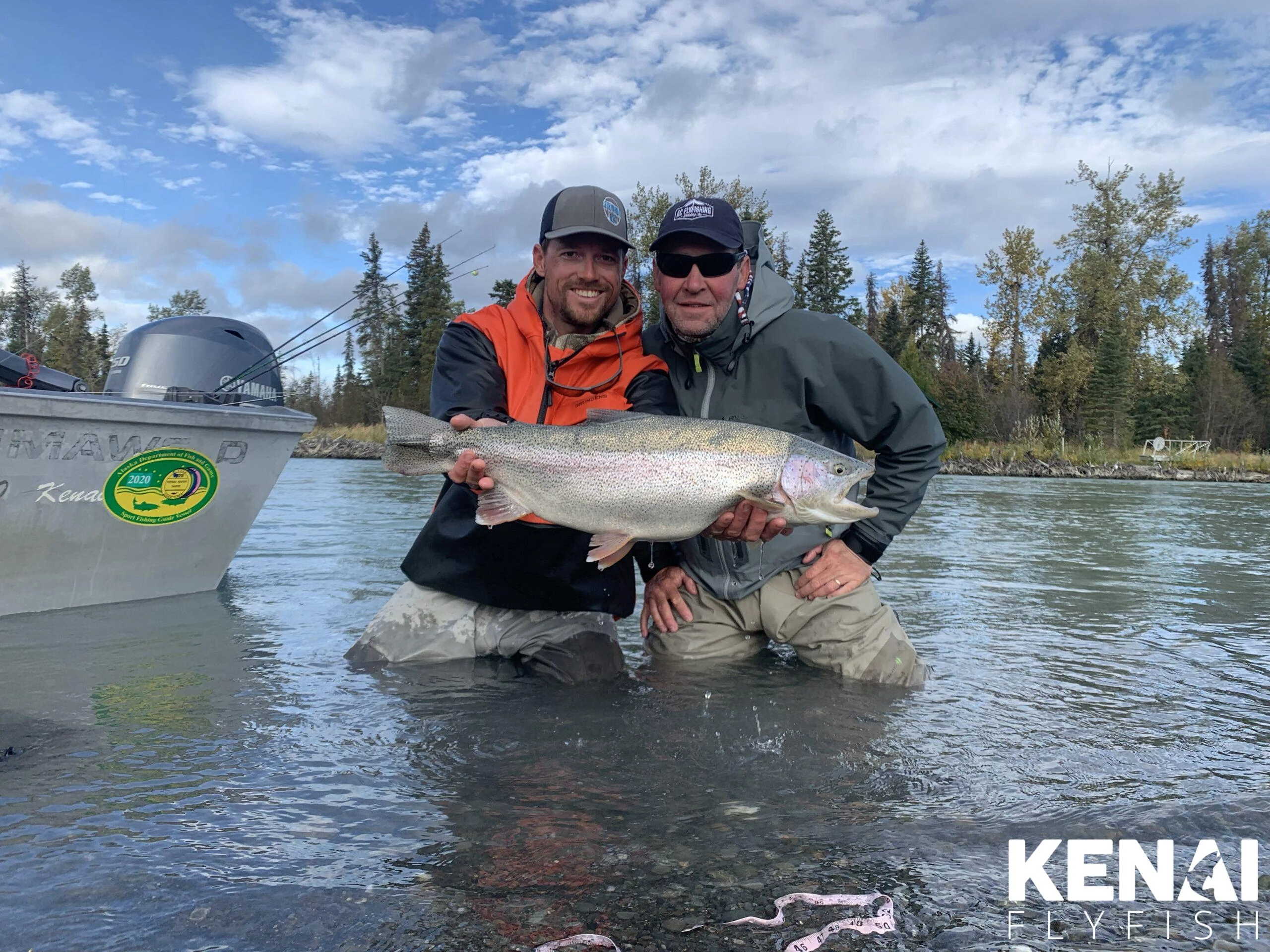
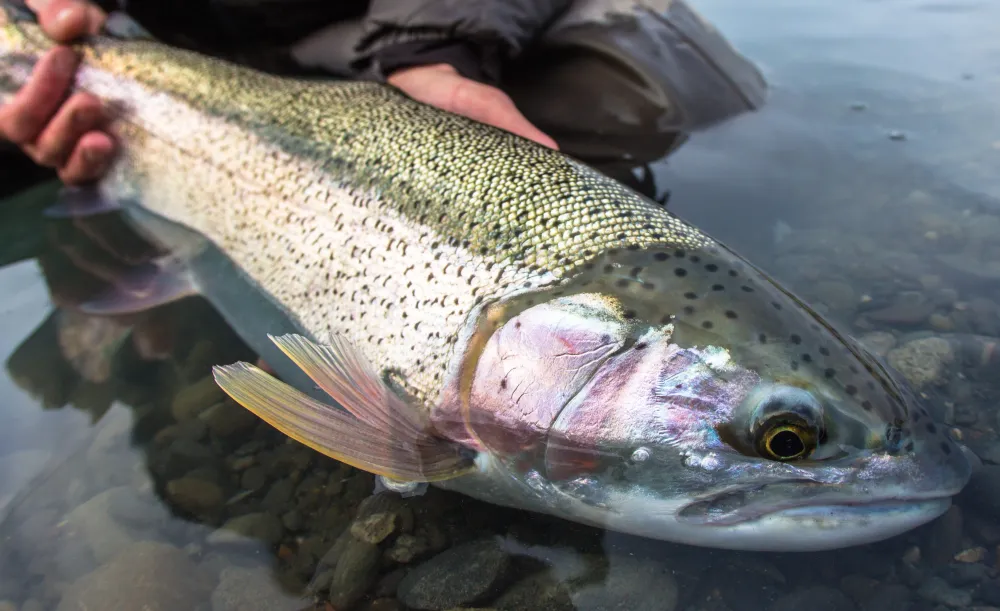
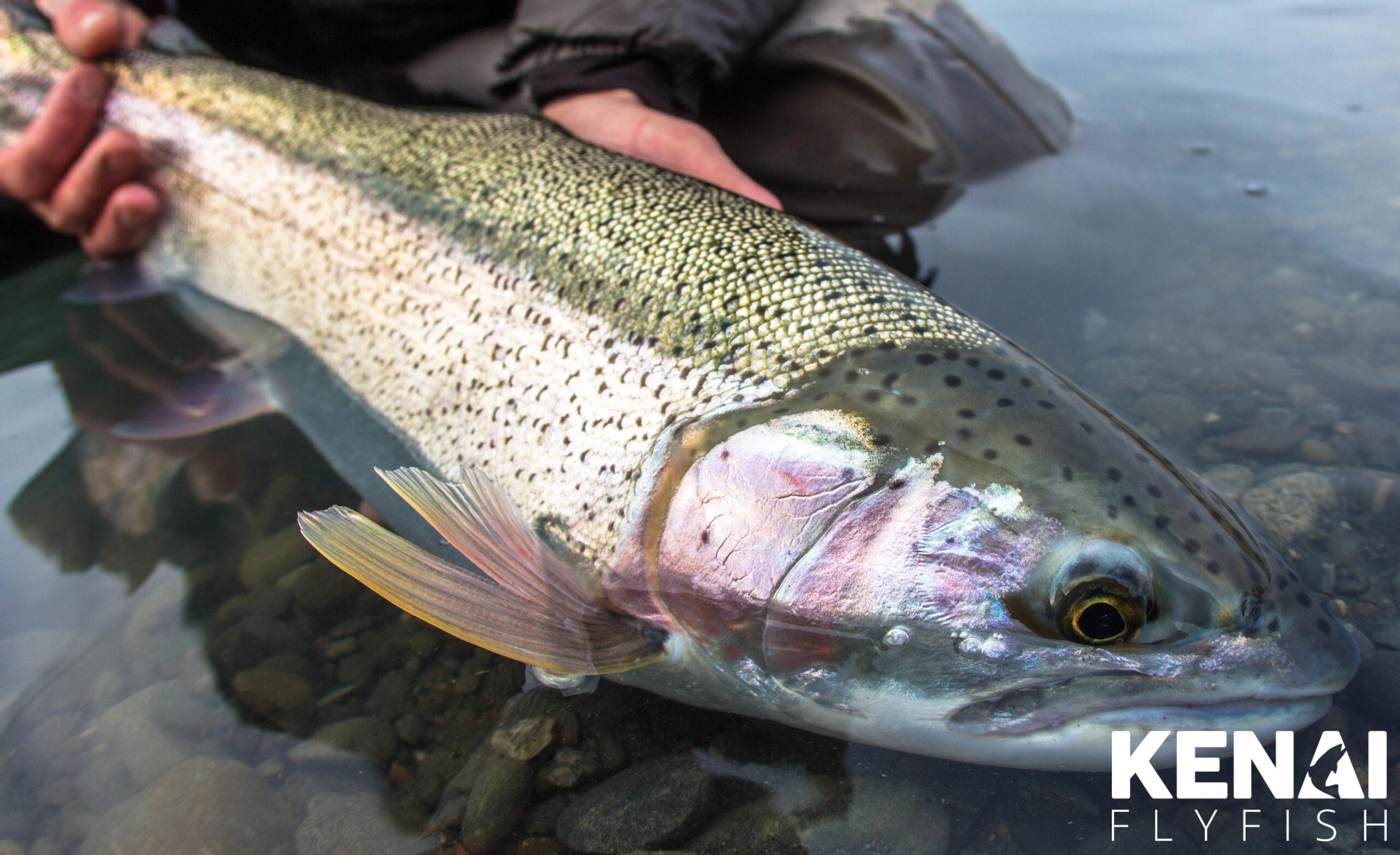
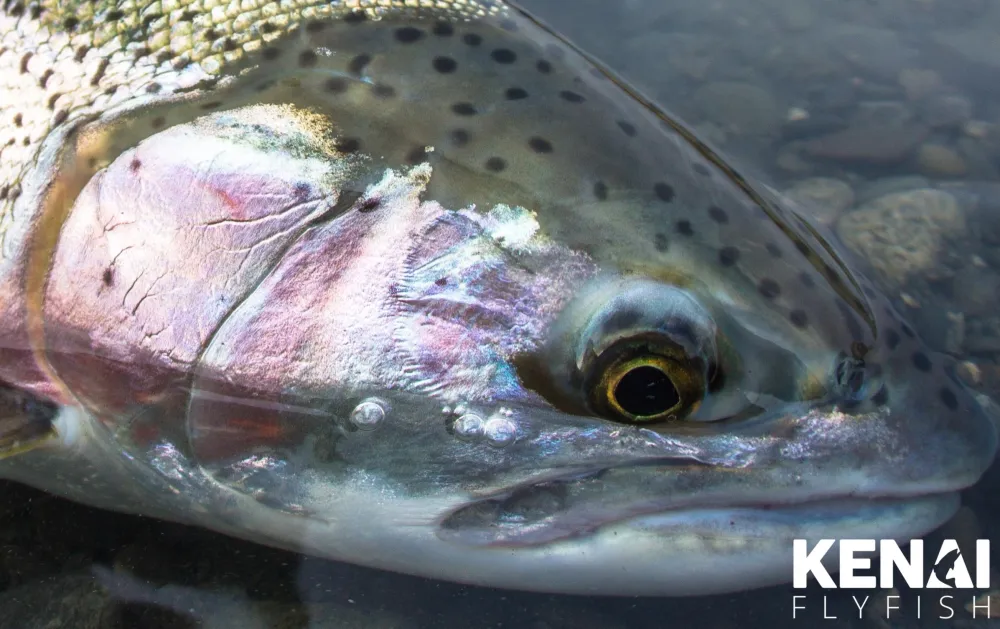
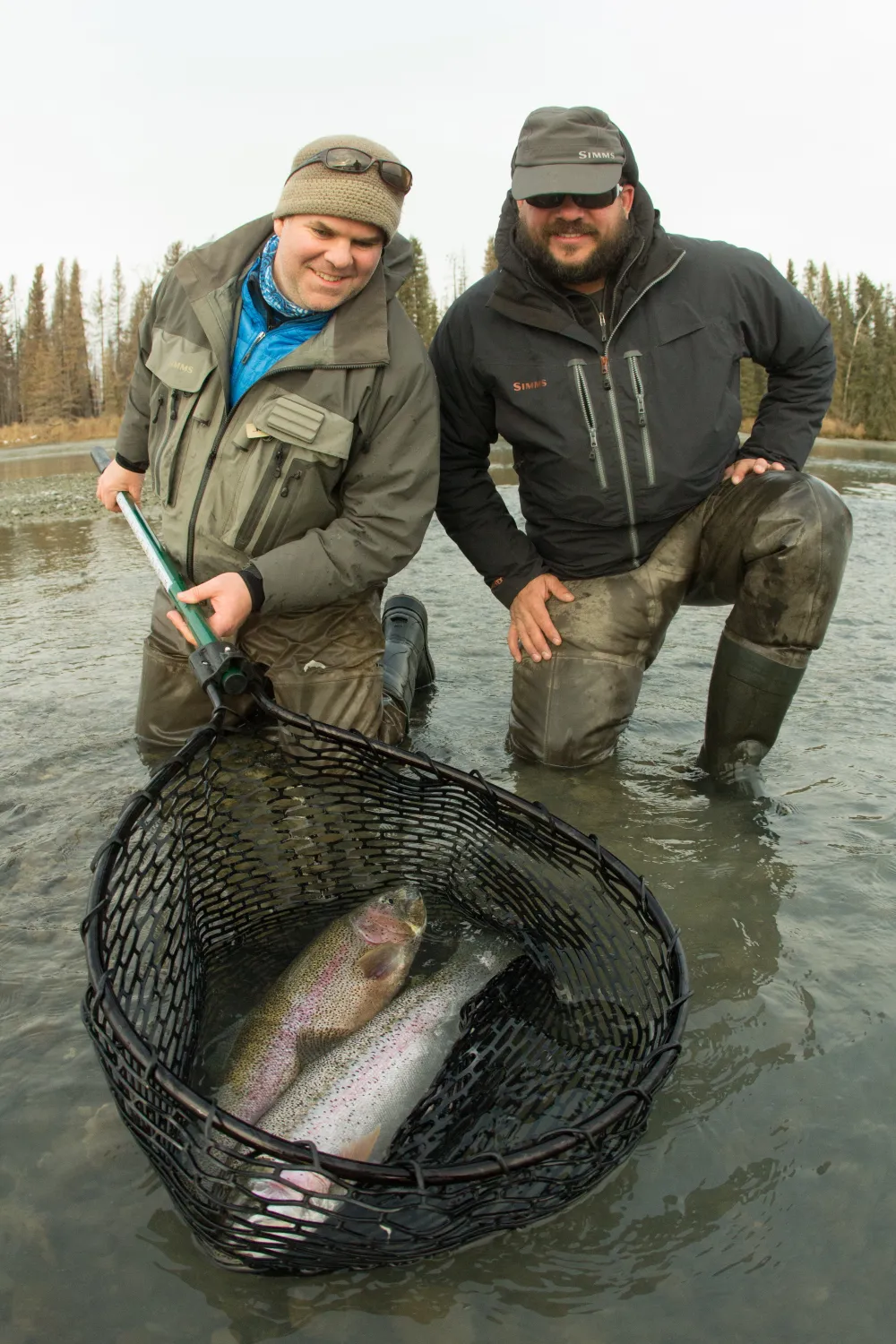
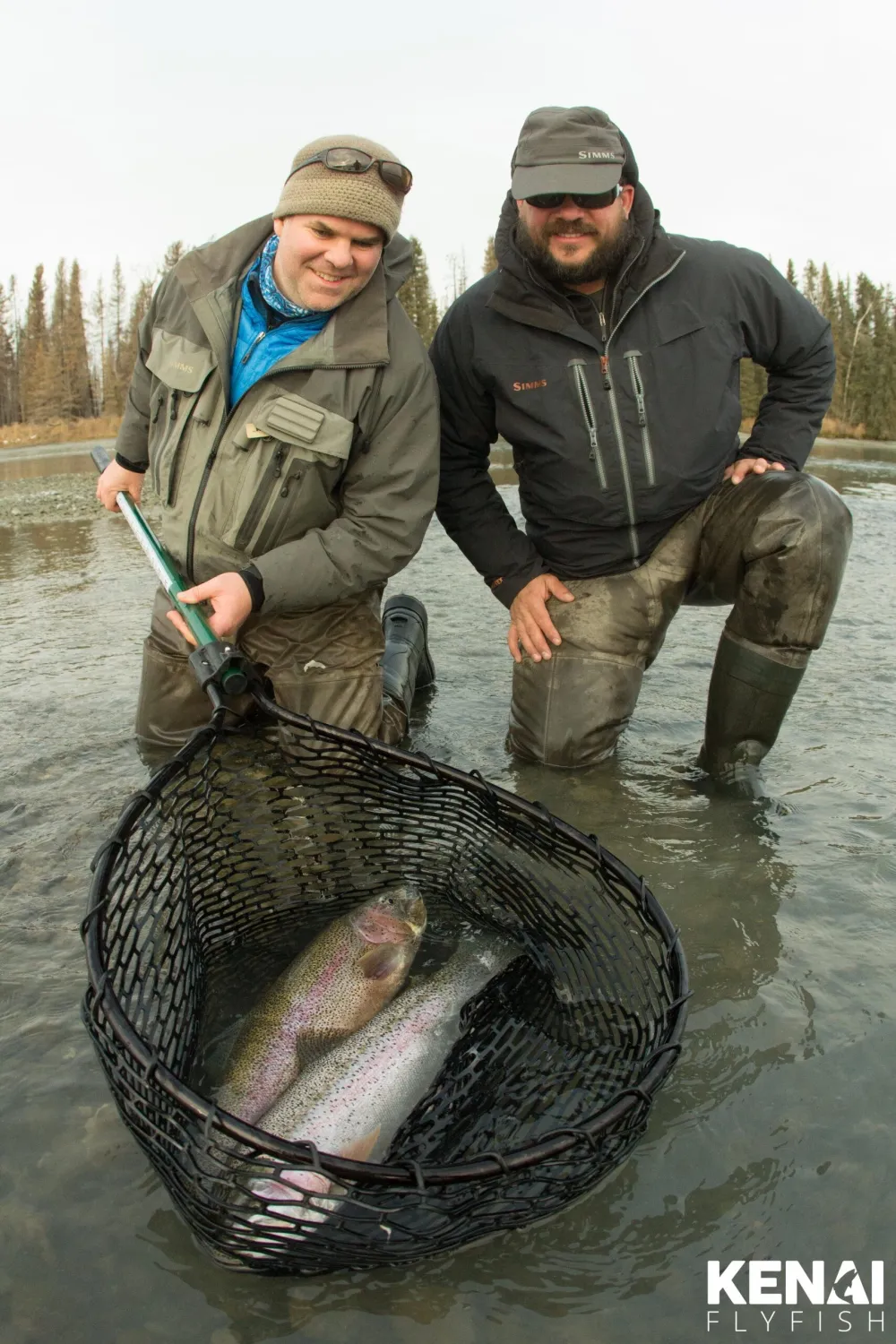
The Kenai River is widely considered one of the best trophy Rainbow Trout fisheries on the planet. These are not stocked fish; these are massive, wild leopard bows that gorge themselves on the salmon life cycle. It is not uncommon to hook into trout exceeding 30 inches and weighing well into the double digits.
Trophy Caliber
The nutrient-rich Kenai system produces some of the thickest, strongest wild Rainbows in the world.
Catch & Release
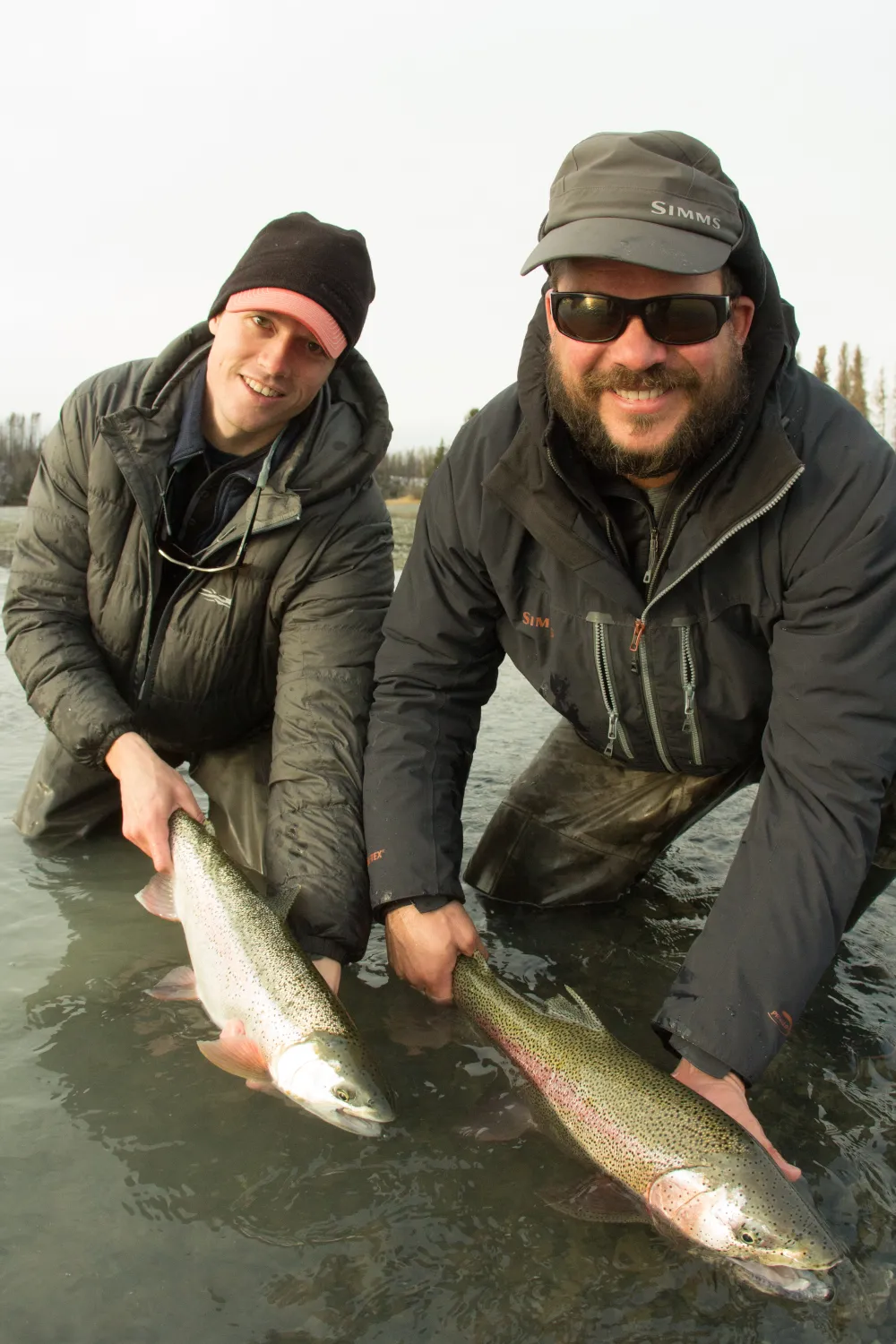
To protect this incredible resource, Our guided trout trips are 100% catch-and-release to protect trophy wild Rainbow Trout and Dolly Varden. Legal retention rules vary by water, river section, and date; always consult current ADF&G regulations and emergency orders before fishing..
Late Season Peak
While good all summer, the absolute best fishing is in the fall (Sept/Oct) when they gorge on salmon flesh and eggs.
From the River
The Kenai Trout Ecosystem
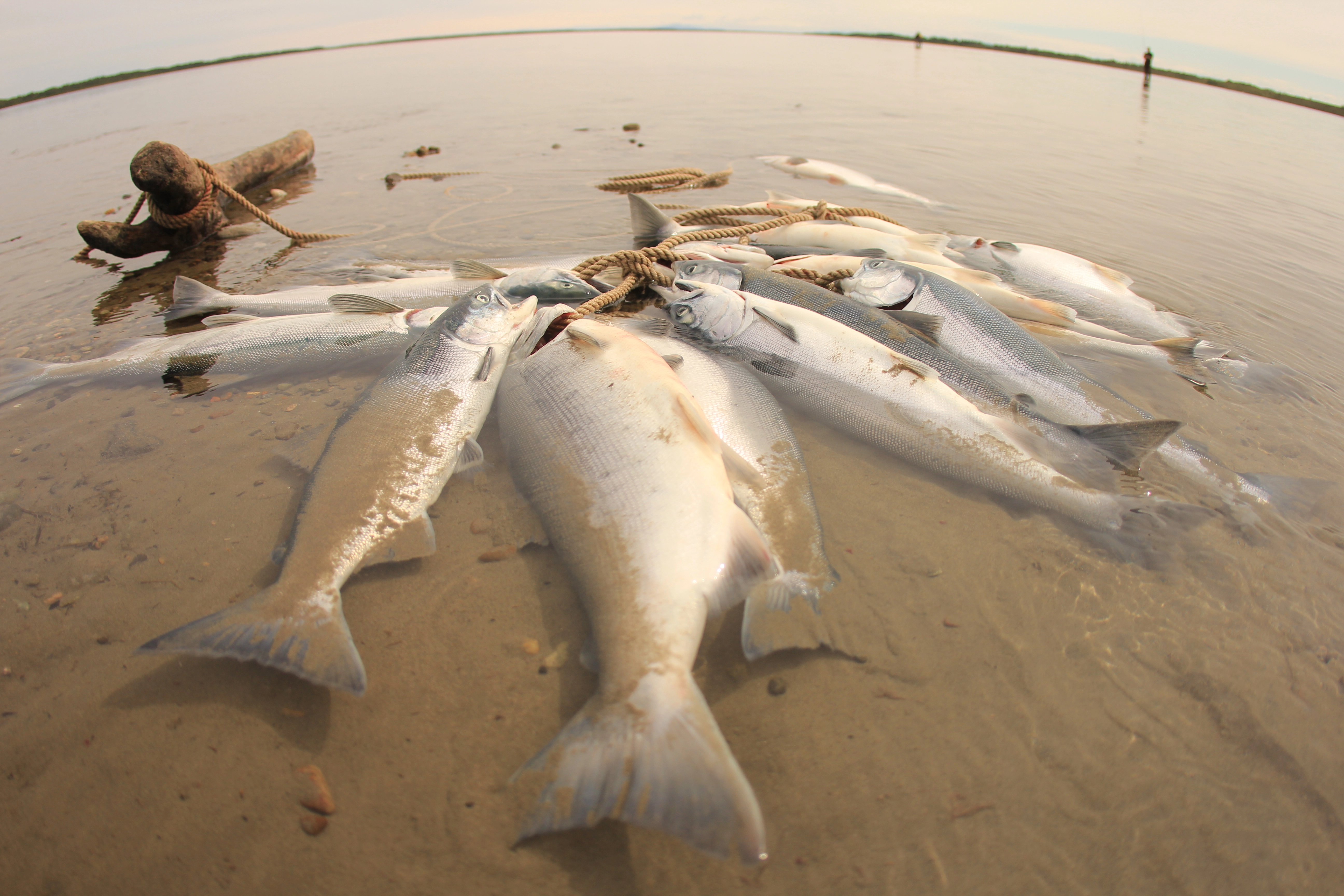
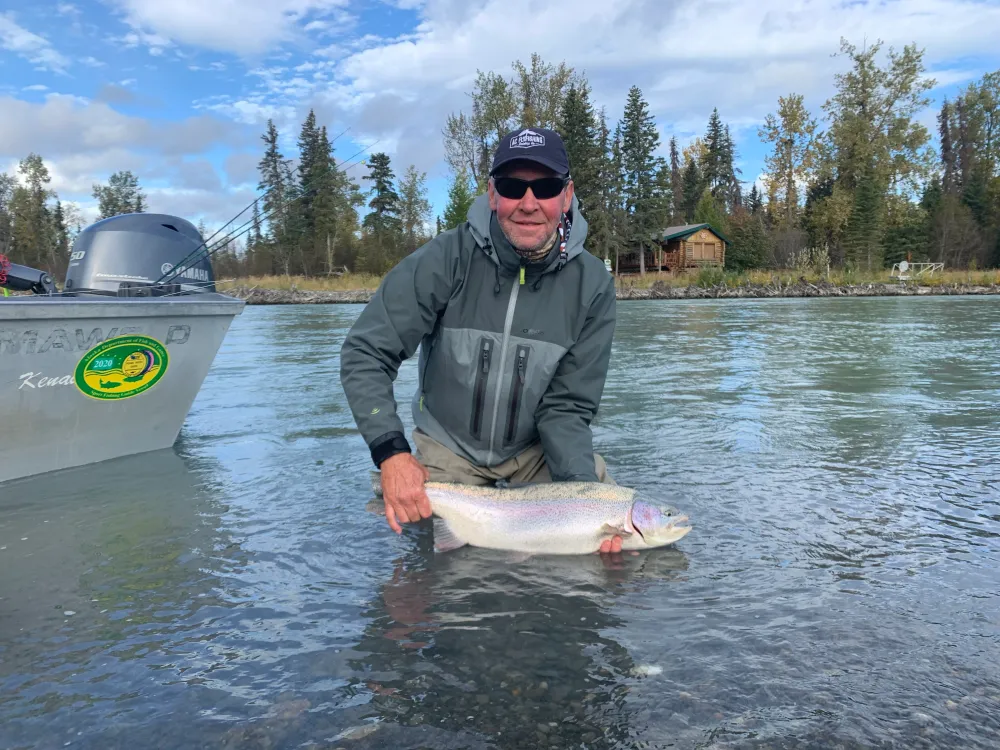
The secret to the massive size of Kenai River Rainbows is the salmon run. Millions of salmon spawn and die in the river system every year. The trout feed heavily on the loose salmon eggs in late summer, and then feast on the decaying salmon flesh in the fall. This protein-rich diet allows them to grow incredibly thick across the shoulders.
When to Go
Techniques We Use
Bead Fishing (Nymphing)
The most productive method during the salmon spawn. We dead-drift painted beads that perfectly mimic the size, color, and opacity of salmon eggs tumbling down the river current.
Flesh Flies
As the salmon die off in September and October, trout switch to eating decaying flesh. We swing or dead-drift articulated flesh flies made of rabbit strip and marabou.
Streamers & Leeches
Early in the season before the salmon arrive, or in the very late fall, aggressively stripping large sculpin patterns and leeches can provoke savage predatory strikes from big bows.
Dry Flies
While not the primary way to catch Kenai giants, certain upper river sections and the Kasilof offer occasional dry fly action during late evening caddis hatches.
Strictly Catch & Release
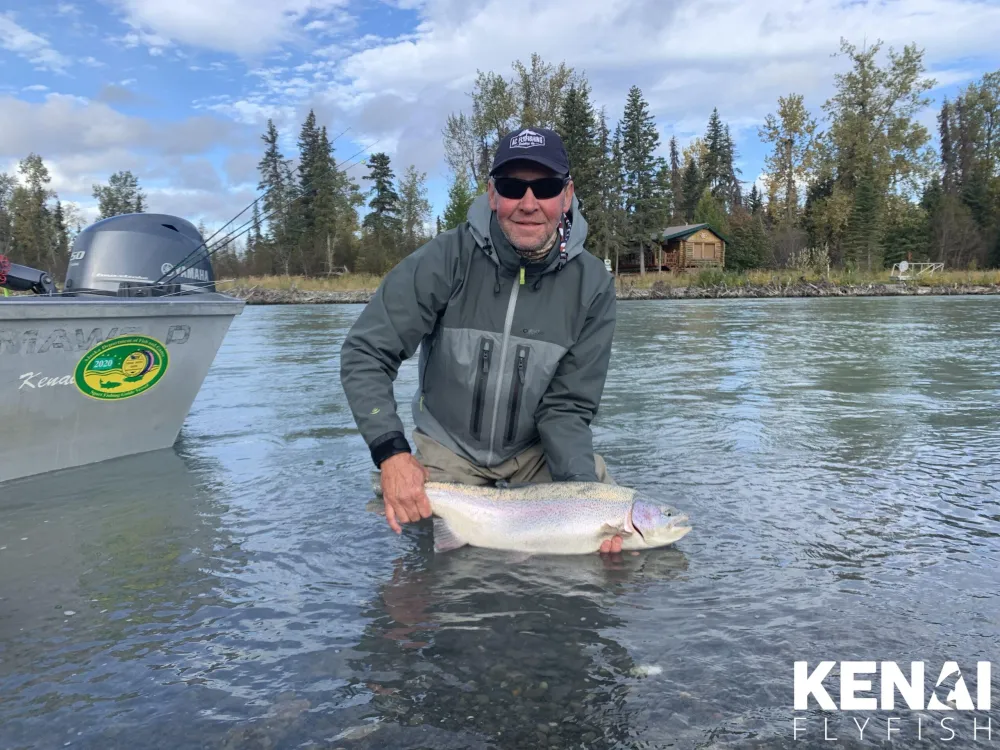
We practice 100% catch and release on all Kenai Peninsula Rainbow Trout to protect the genetic lineage of these trophy fish. Your guide will handle the fish with extreme care, keeping them in the water as much as possible for photographs before releasing them to fight another day.