
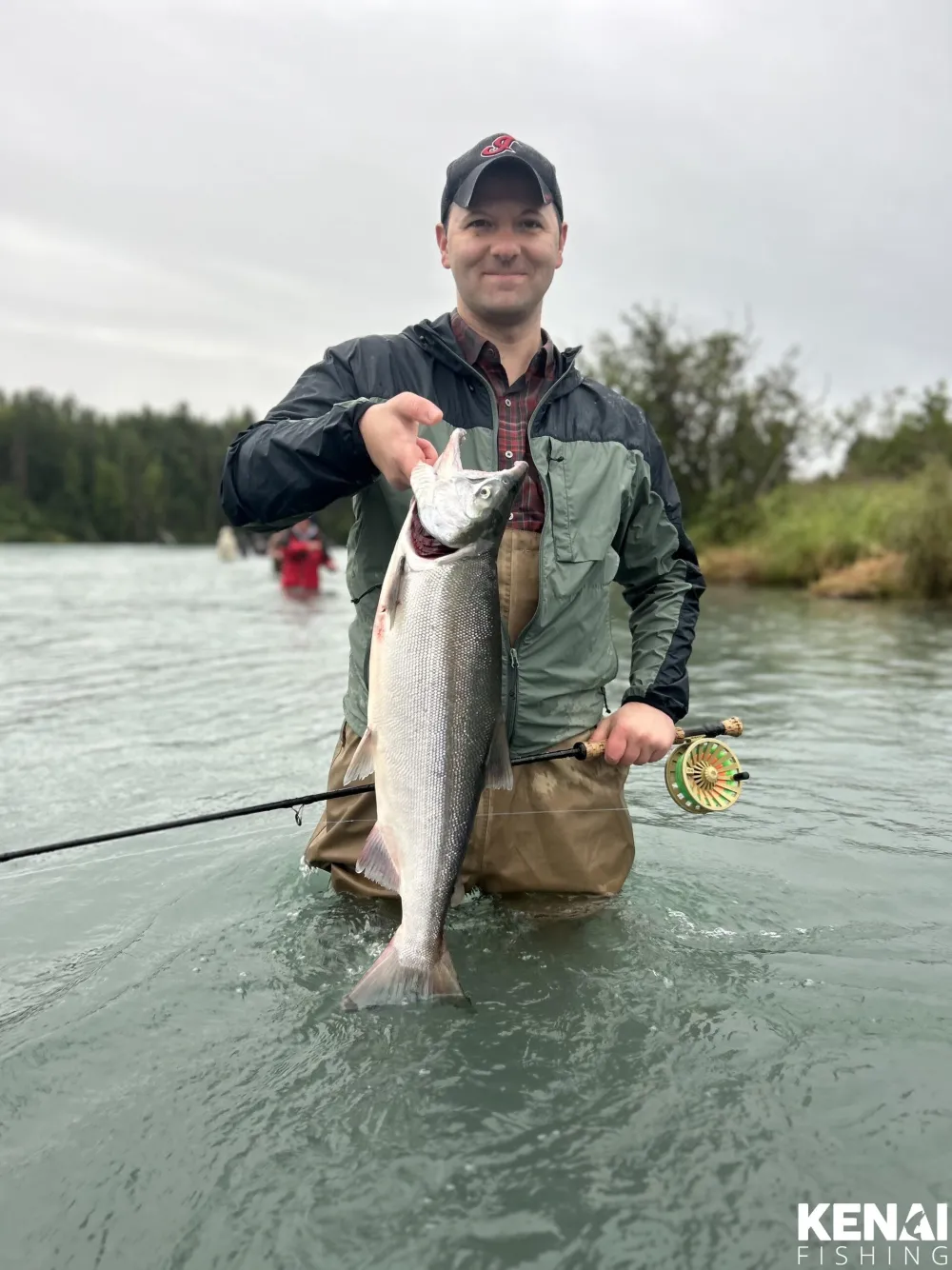
Sockeye Salmon Fishing
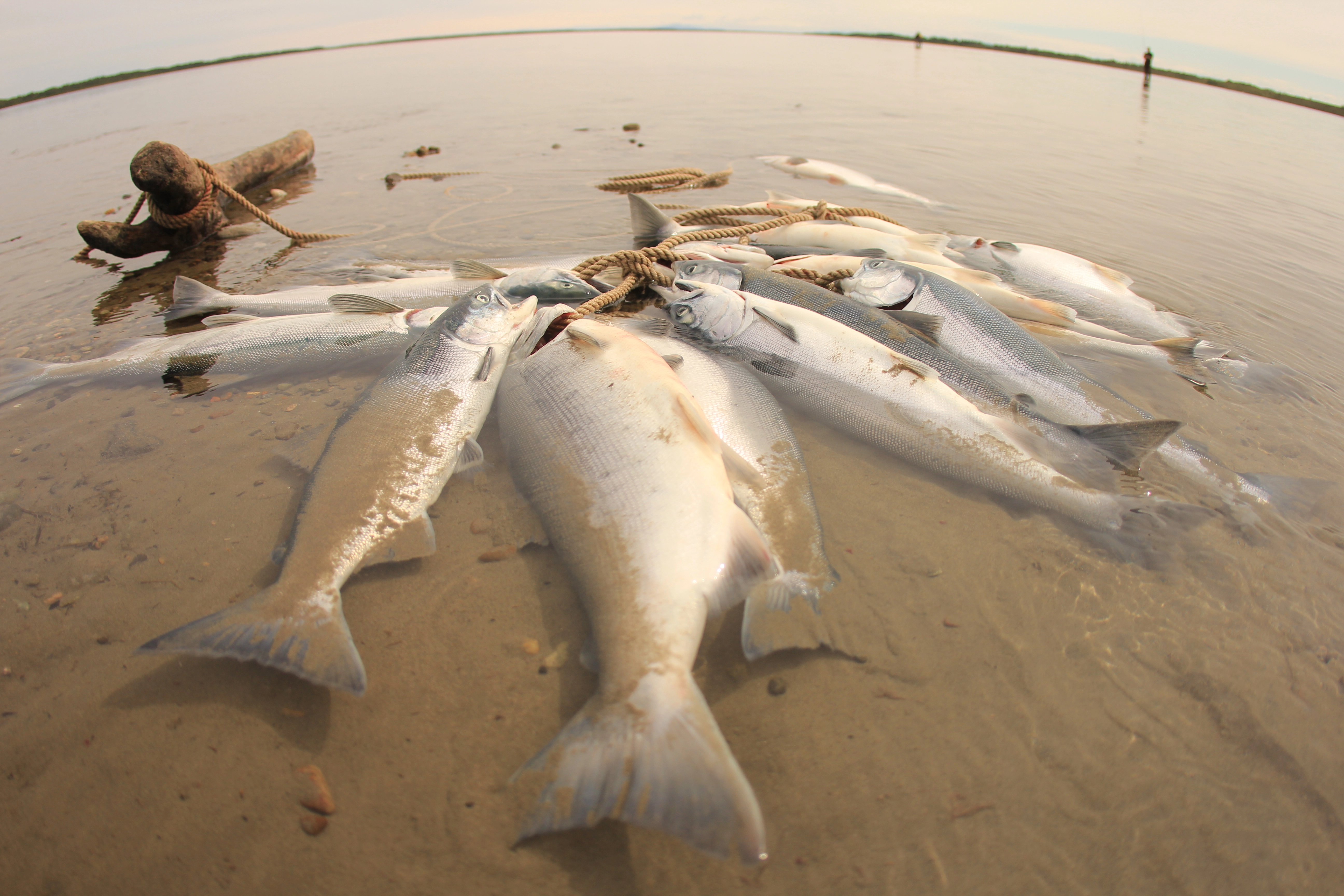
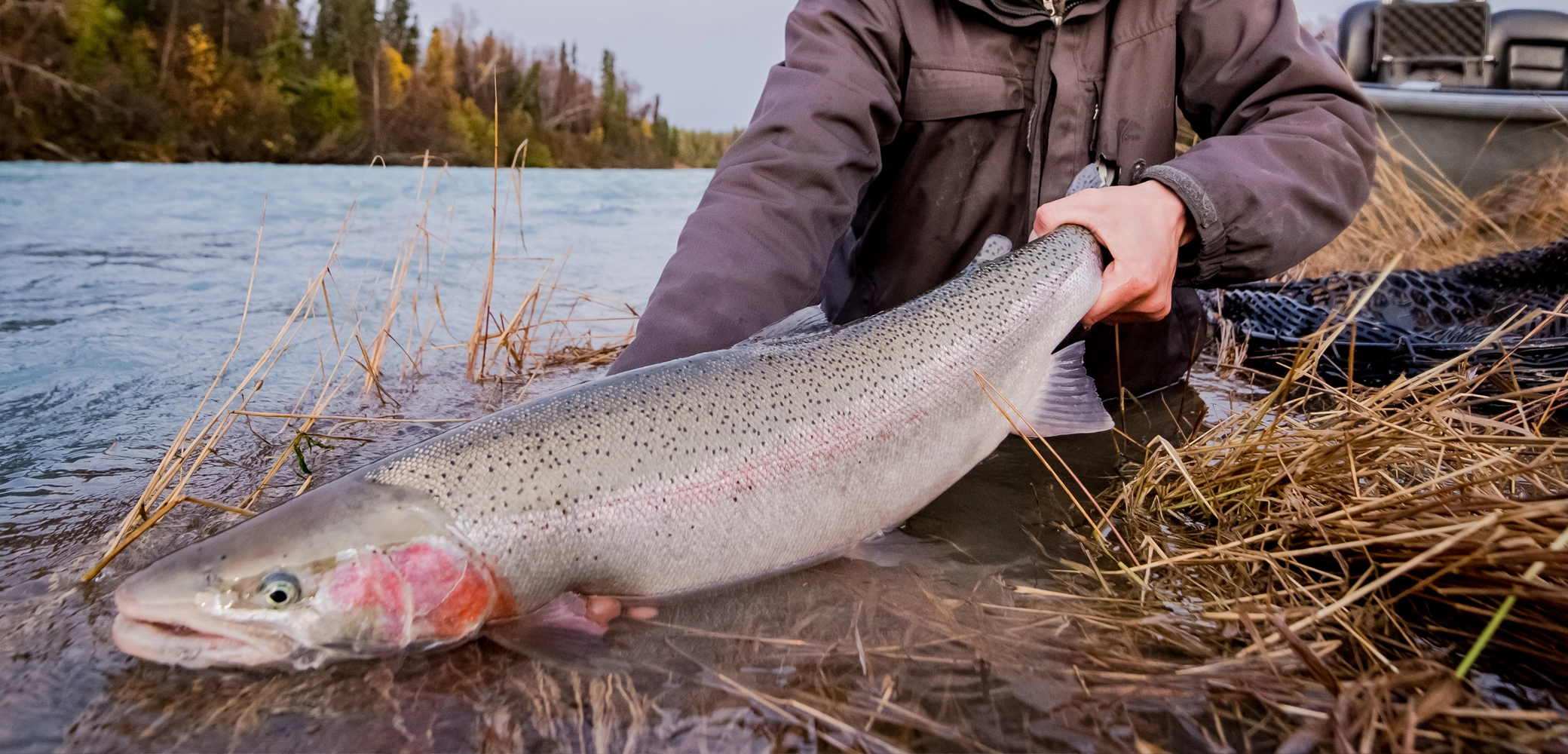
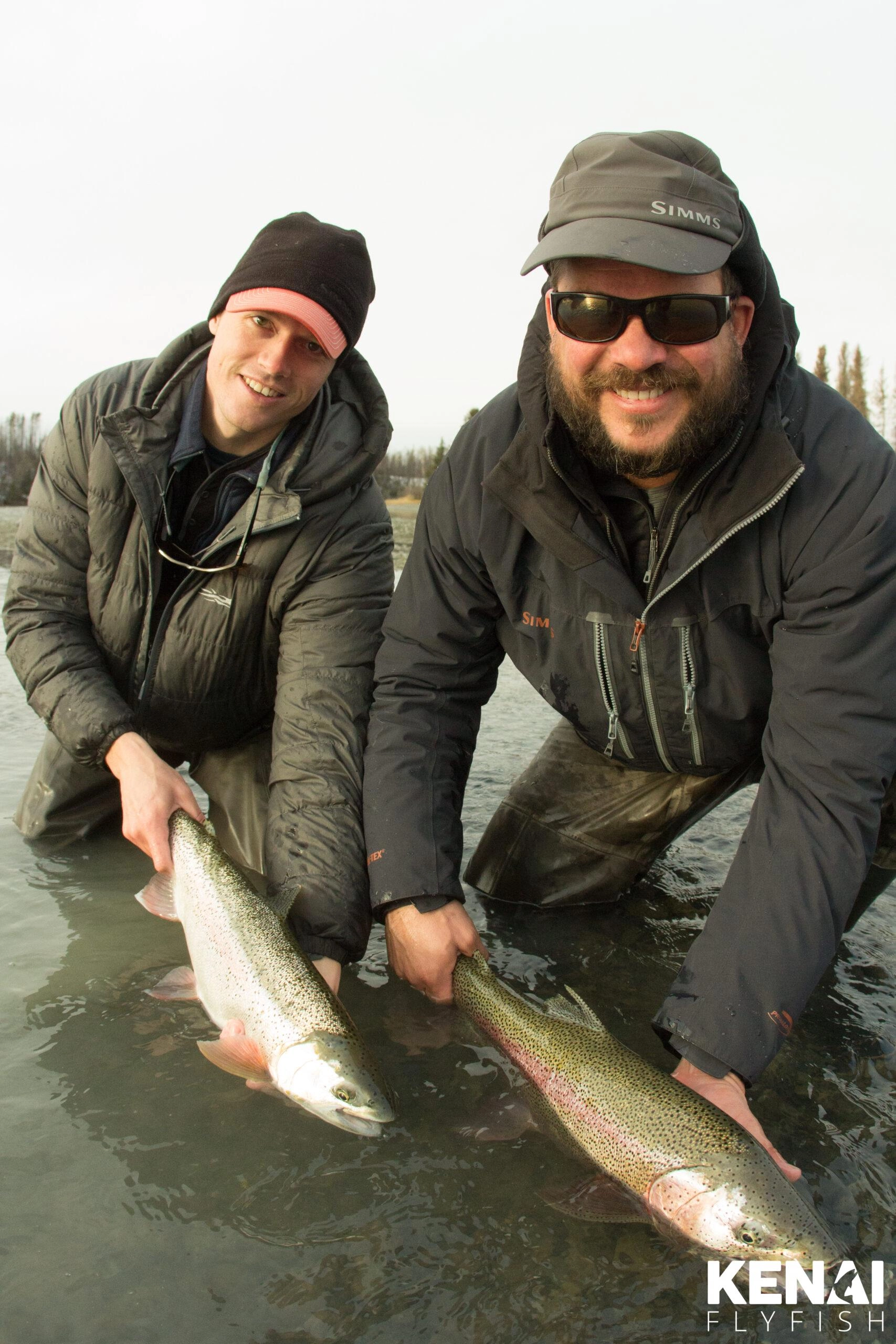
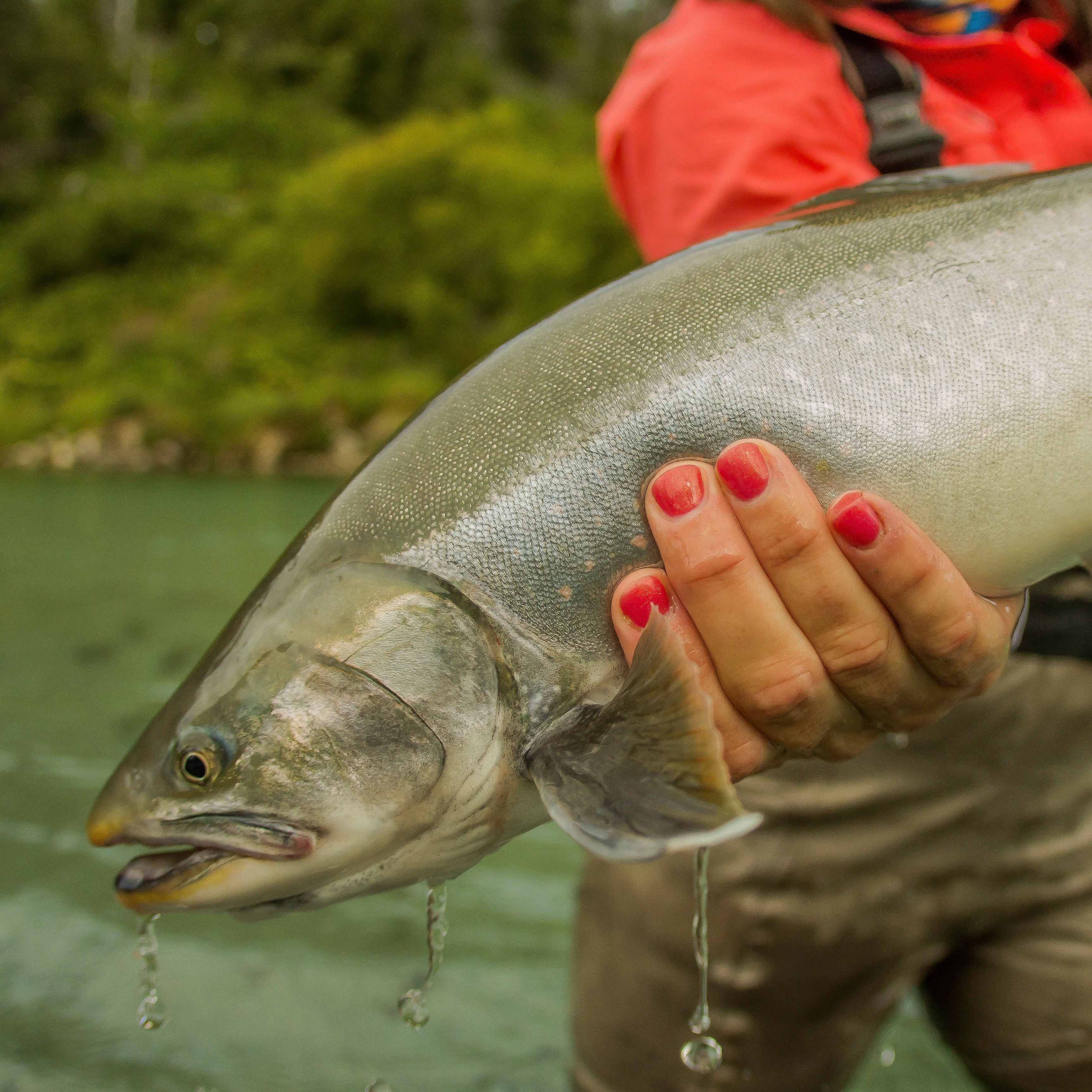
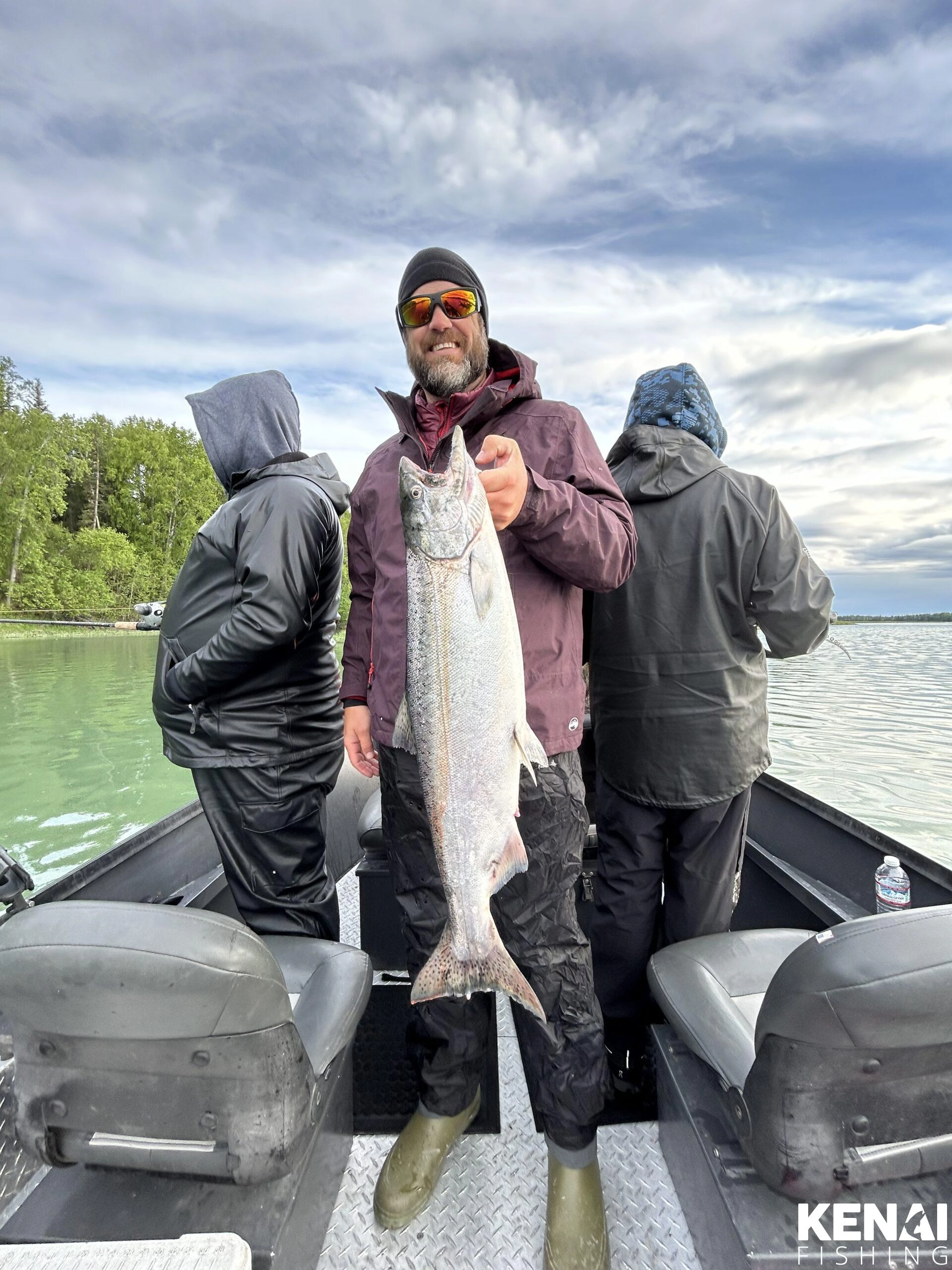
Sockeye (Red) salmon are the crown jewel of Alaska's table fare. The Kenai River sees massive runs of sockeye from mid-June through August, with peak fishing in July. Our guides position you on the most productive gravel bars and runs where sockeye stack up by the thousands. Expect fast action, hard-fighting fish, and coolers full of the best-eating salmon in the world.
Peak Season: July
The Kenai sockeye run peaks in mid-July with daily counts exceeding 50,000 fish past the sonar.
Best Eating Fish
Sockeye are universally regarded as the finest eating salmon. Deep red flesh, rich flavor.
Limit: 3-6 Per Day
Depending on ADF&G emergency orders, limits range from 3 to 6 sockeye per angler per day.
From the River
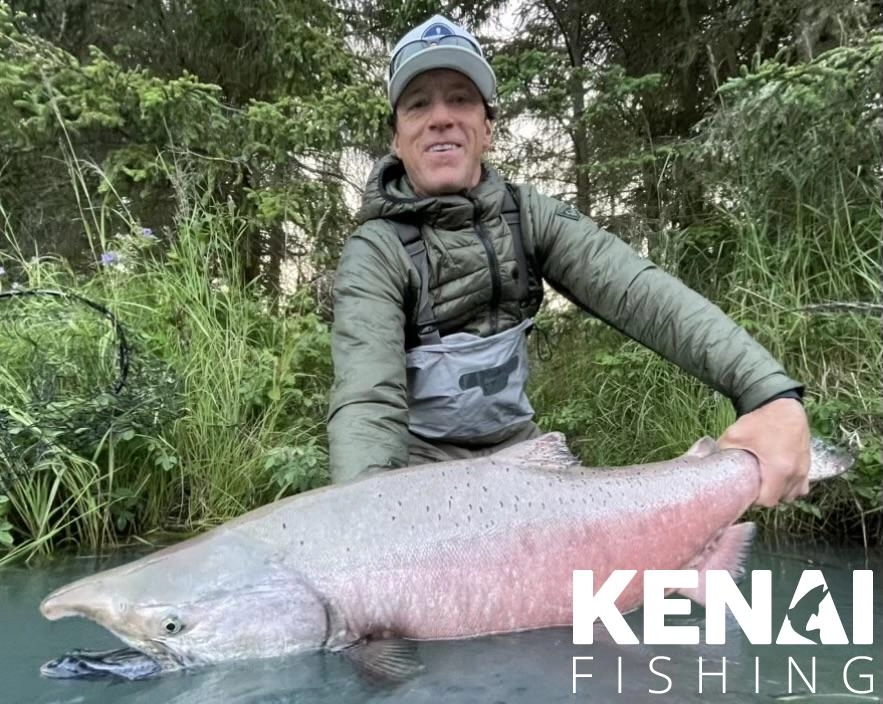

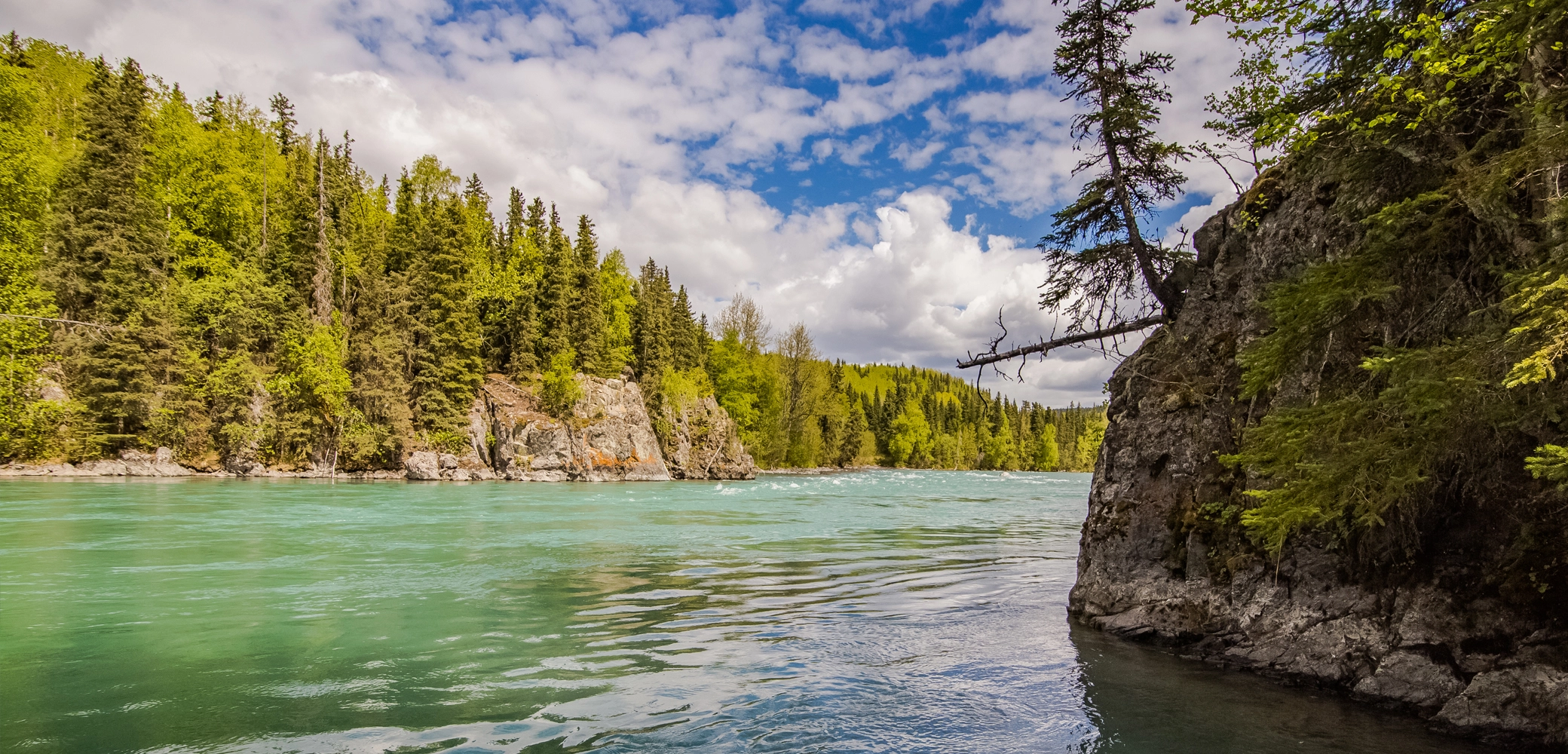
The Best Eating Salmon in the World
Sockeye (Red) salmon are the engine that drives the Kenai River ecosystem. With deep red, oil-rich flesh prized by chefs worldwide, they're the #1 target for anglers bringing home the absolute best table fare Alaska has to offer.
The "Kenai Flip" Technique
Sockeye stop feeding when they enter freshwater. You can't catch them with spinners or bait. Instead, we use the specialized "Kenai Flip" — a technique our guides will teach you within your first hour on the water.
Close to Shore
Sockeye travel tight to the bank to avoid heavy mainstem current. We fish from gravel bars or shallow wading spots where fish stack.
The Rig
A specific weight and leader setup with a sparse fly pattern — often just a colored hook with a small piece of yarn. Deceptively simple, devastatingly effective.
The Dead Drift
Cast upstream, allow the rig to dead-drift along the bottom matching current speed, perfectly intercepting the path of traveling salmon. When the line stops — set the hook.
Processing Your Catch
At the end of your trip, your guide fillets your Sockeye limit right on the riverbank. We provide heavy-duty bags for transport — then head to a local Soldotna processor for vacuum-sealing, flash-freezing, and boxing for your flight home.
Timing Your Trip
The Kenai has an early run in June (destined for the Russian River) and the massive late run in July. Mid-to-late July is peak — single-day surges of over 100,000 fish past the ADF&G sonar counters are common.