

Kasilof Sockeye Counts
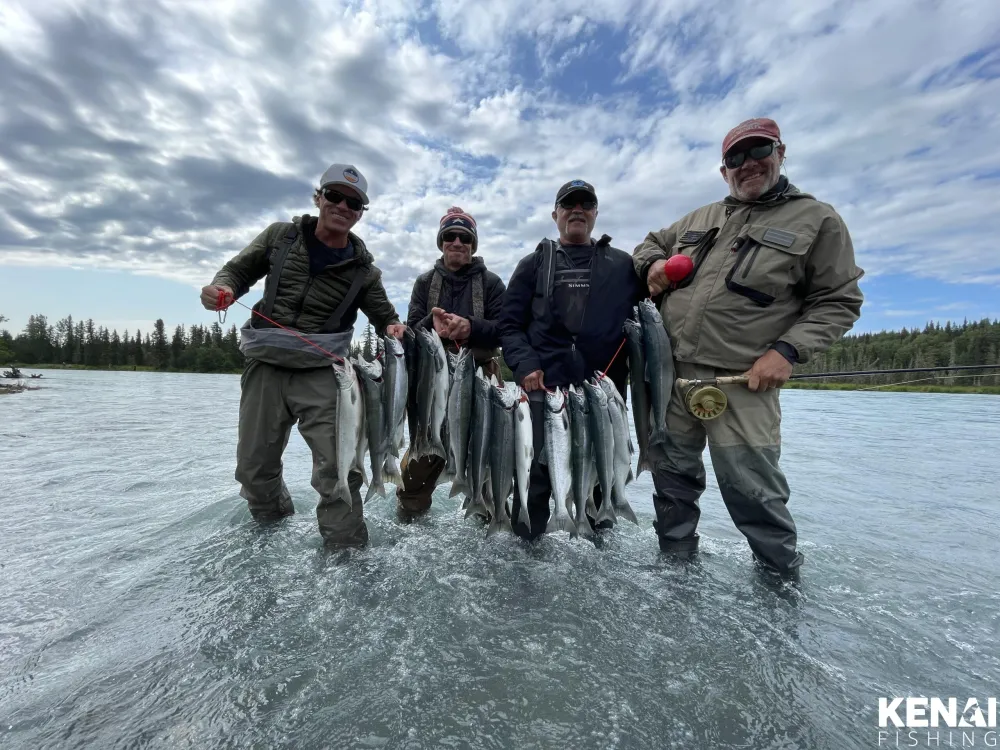
The Kasilof River is a pristine, drift-boat-only waterway that hosts an incredible early sockeye salmon run. Often peaking several weeks before the neighboring Kenai River, the Kasilof offers sport anglers a peaceful drift environment and packed schools of hard-fighting sockeye. Monitoring the RM 8 sonar helps guides and anglers target the peak migration pushes.
River Mile 8 Sonar
ADF&G sonar monitors fish passage just upstream from the tidewater, providing real-time data.
June 25 - July 15 Peak
The Kasilof run peaks earlier than the Kenai, offering great fishing in early summer.
140k - 320k SEG Goal
Escapement is closely managed, with frequent limit liberalizations to 6 fish per day.
From the River
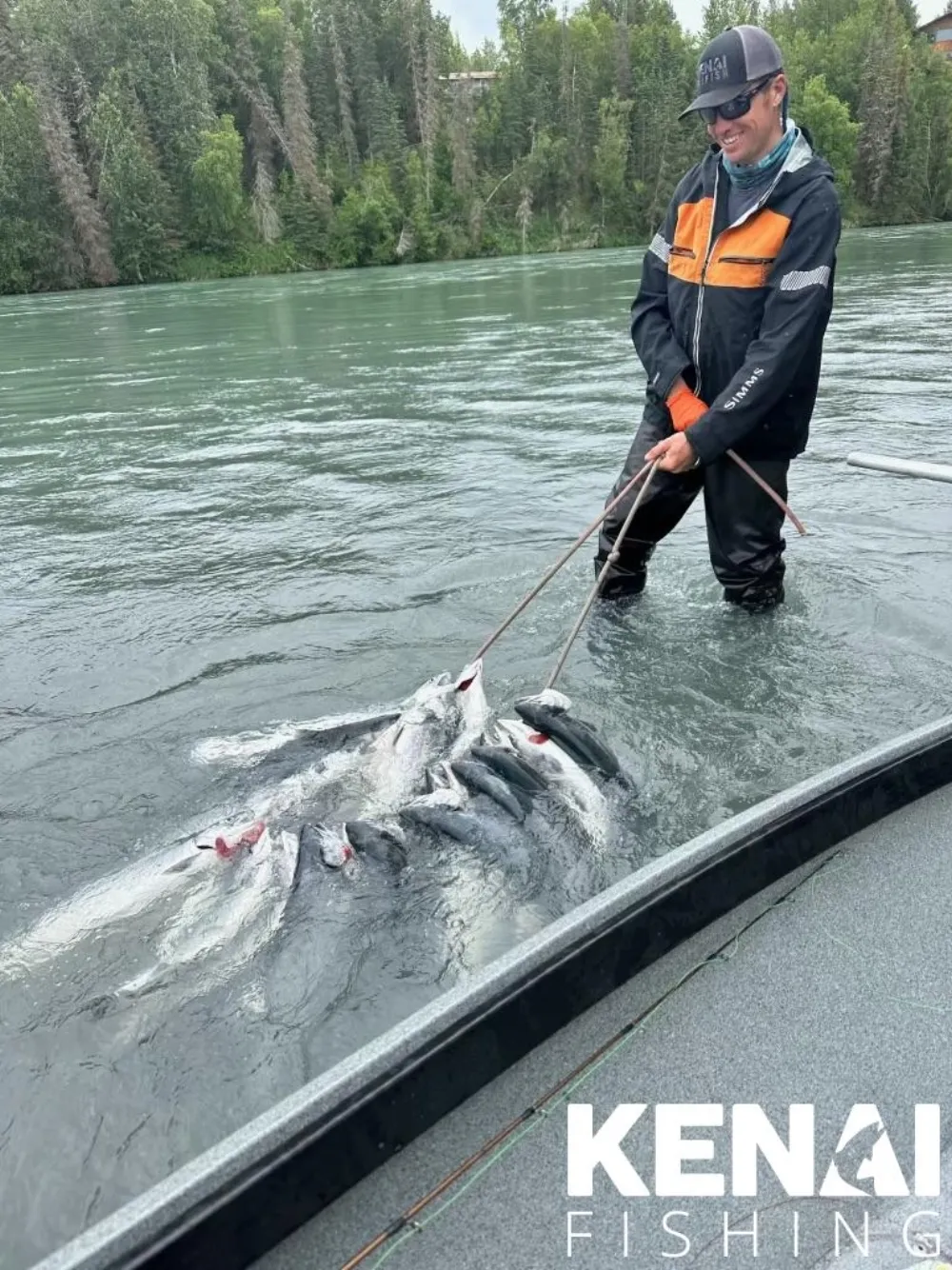
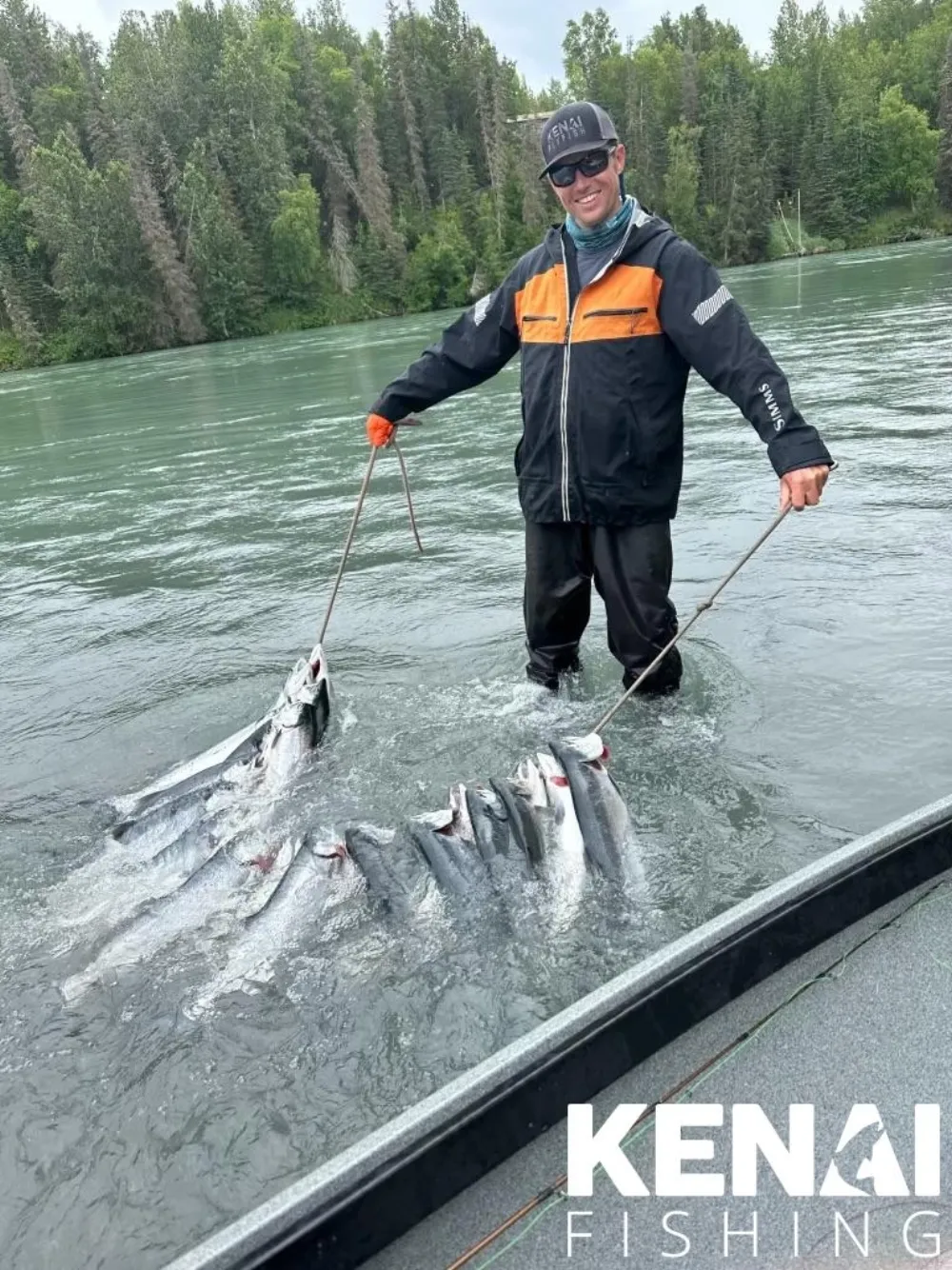
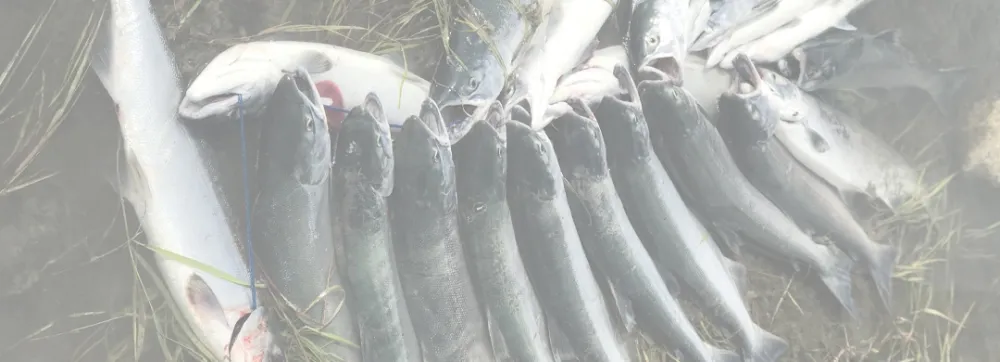
Live Kasilof Sockeye Sonar Chart

*Sonar counts represent daily passage at the River Mile 8 station. Data is updated daily by ADF&G. Historical counts can be viewed using the year dropdown menu.
Inside the River Mile 8 Sonar
The Kasilof River sonar station has been in operation since 1983. Located at River Mile 8, it utilizes side-looking sonar transducers to record passing sockeye salmon. The Kasilof is shallower and narrower than the Kenai, which concentrates the sockeye salmon close to the banks.
Because of this behavior, the sonar at RM 8 is extremely accurate. Counts are processed daily by ADF&G technicians, helping manage both the Cook Inlet commercial gillnet fisheries and the in-river sport fishery. When counts exceed daily targets, emergency orders are issued to adjust bag limits.
Comparing Kasilof & Kenai Sockeye
While only separated by about 12 miles on the Cook Inlet coastline, the Kasilof and Kenai rivers host very different sockeye runs.
Kasilof Reds
- • Average Size: 4 to 6 pounds.
- • Run Timing: Peaks late June to early July.
- • Run Behavior: Travels in extremely tight, dense schools along gravel bars.
- • Environment: Quiet, motorless drift boat experience.
Kenai Reds
- • Average Size: 6 to 12 pounds.
- • Run Timing: Peaks mid-July to early August.
- • Run Behavior: More dispersed throughout the wider river channel.
- • Environment: Fast-paced, high-horsepower powerboat navigation.
Drift Boat Angling on the Kasilof
The Kasilof River is a non-motorized drift-only river for guided anglers. This regulation creates a uniquely peaceful fishing experience. Guided drift boats row down the river, dropping anchor alongside shallow gravel bars where sockeye run close to the shore.
Because there is no motor noise to spook the fish, sockeye travel calmly in shallow water. Drift boats can anchor directly in the path of the migration, allowing anglers to floss for sockeye right from the bow of the boat. It is highly active, visual, and extremely productive.
Rigging for Kasilof Reds
Like Kenai sockeye, flossing is the primary method on the Kasilof. However, because the Kasilof is shallower and has slower flows, some gear modifications are recommended:
- Lighter Weights: Use 1/4 to 3/4 ounce weights. Heavy bouncing will snag the bottom or spook the fish in the shallower water.
- Leader Length: A leader of 24 to 36 inches is ideal. Shorter leaders ensure the fly runs closer to the weight in the narrower channel.
- Hook Size: A smaller single hook (size #2 or #4) matches the smaller size of the Kasilof sockeye.
Historical Kasilof Sockeye Sonar Totals
| Year | Total Sonar Count | Run Strength | Management Notes |
|---|---|---|---|
| 2022 | 971,604 | Exceptional | Massive run strength, limits increased to 6 early in the season. |
| 2023 | 932,896 | Very Strong | Comfortably exceeded upper escapement goals throughout July. |
| 2024 | 1,048,092 | Exceptional | Over 1M sockeye counted, excellent personal-use dipnetting. |
| 2025 | 1,197,471 | Record | Near-record passage maintaining exceptionally high daily sonar numbers. |