

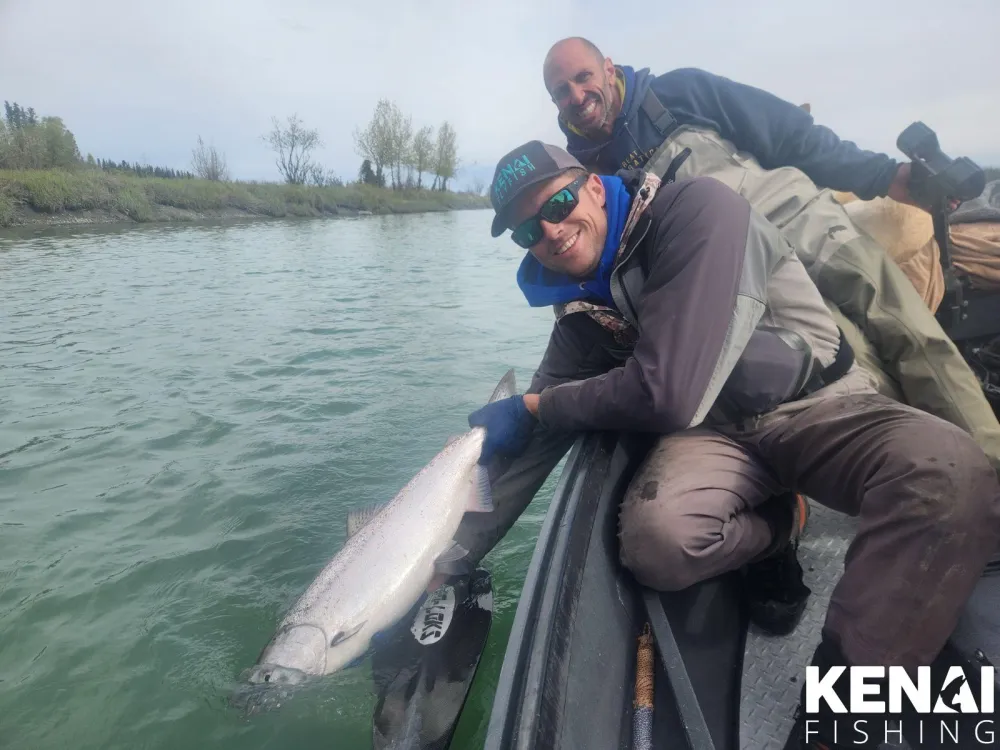
Deep Creek Kings
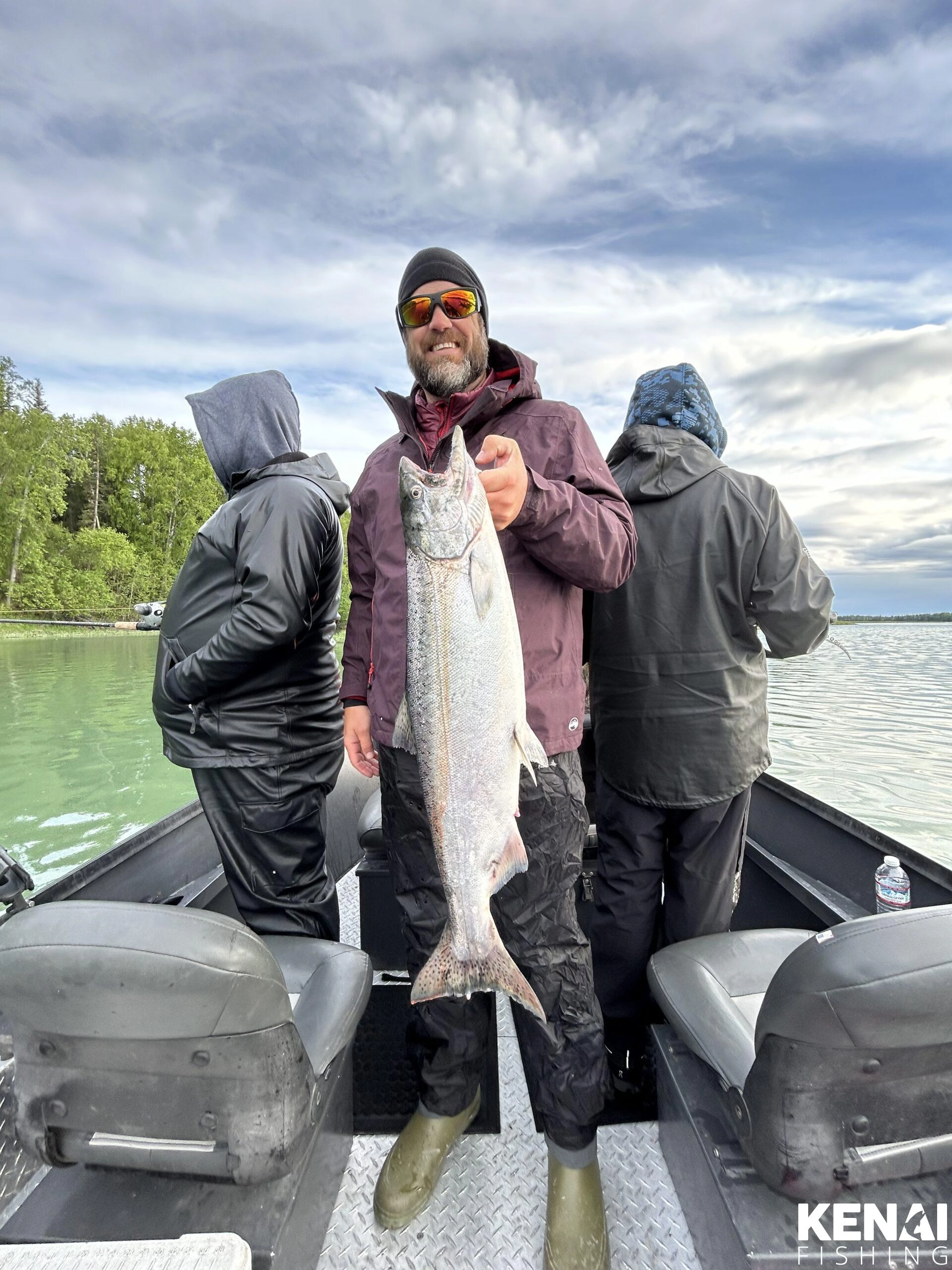
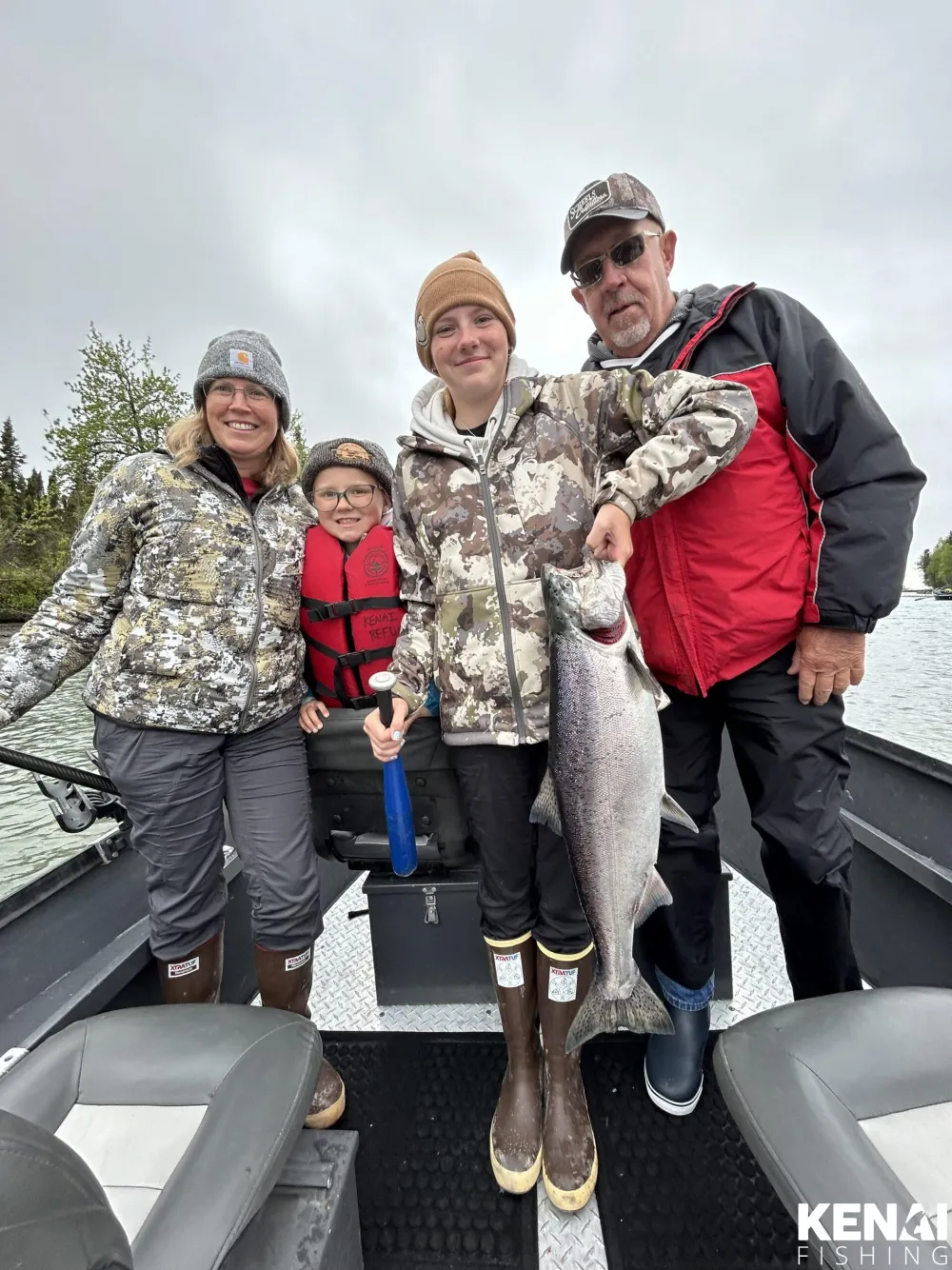
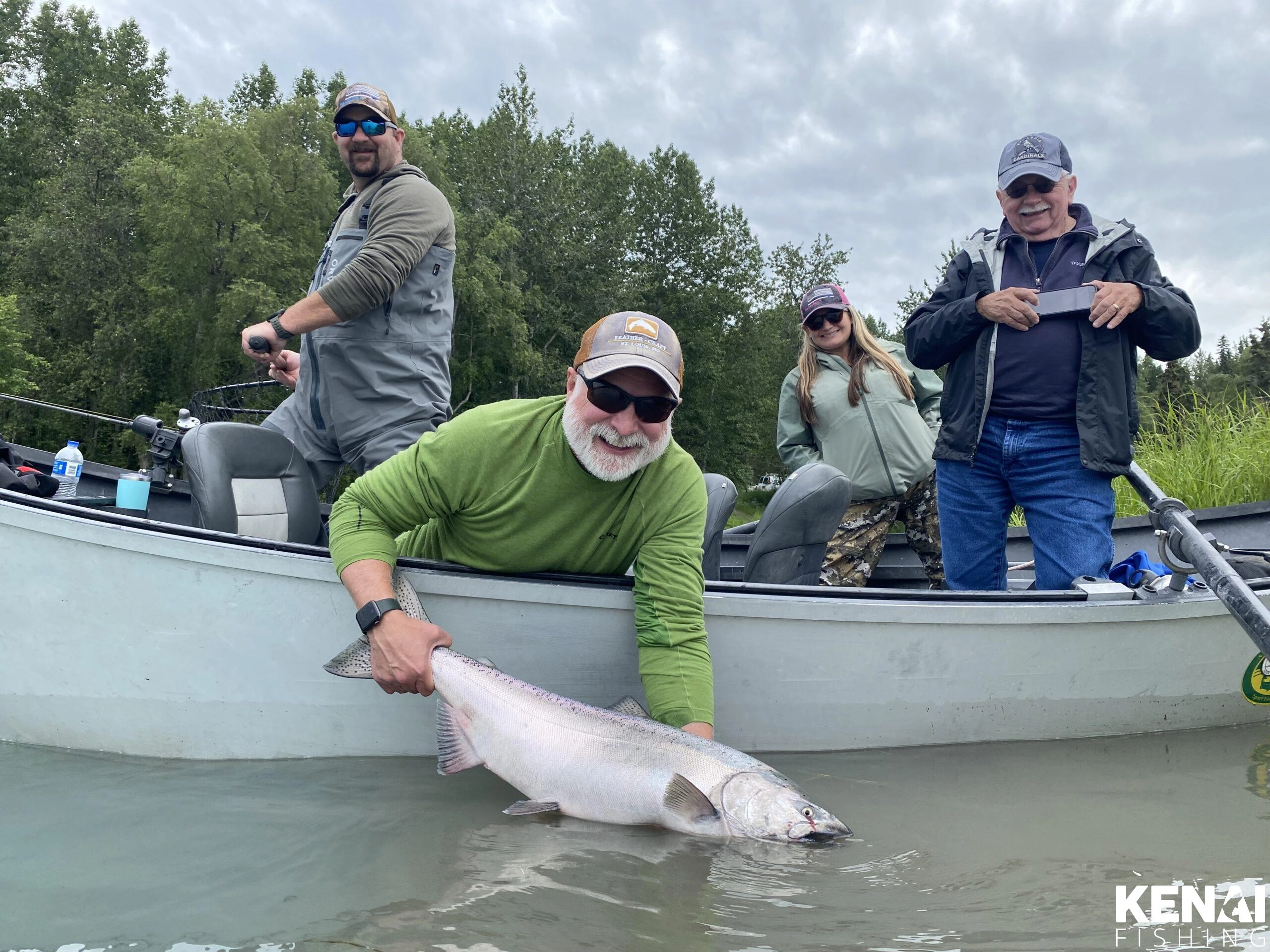
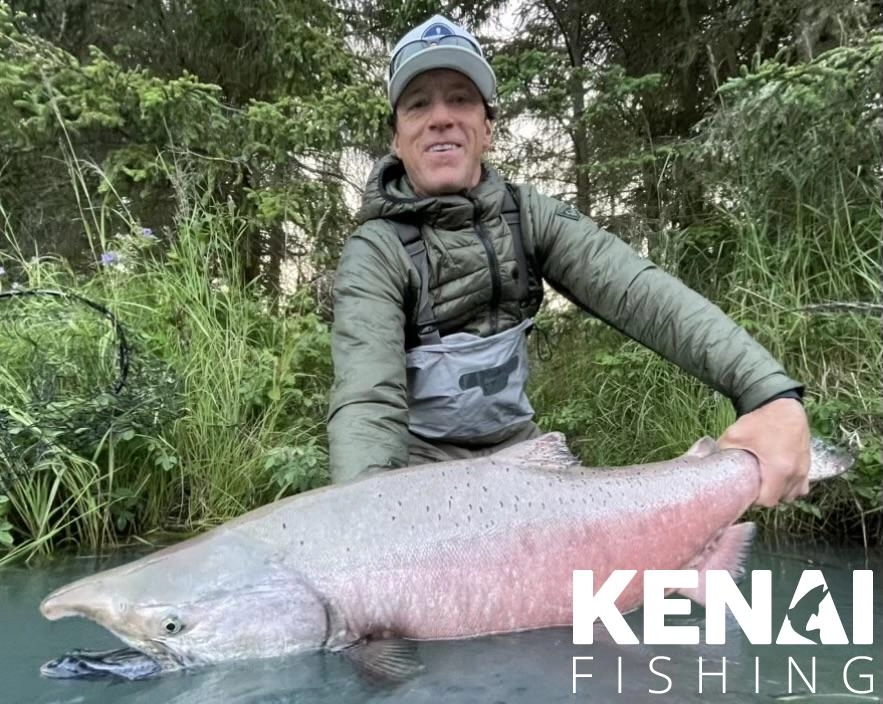
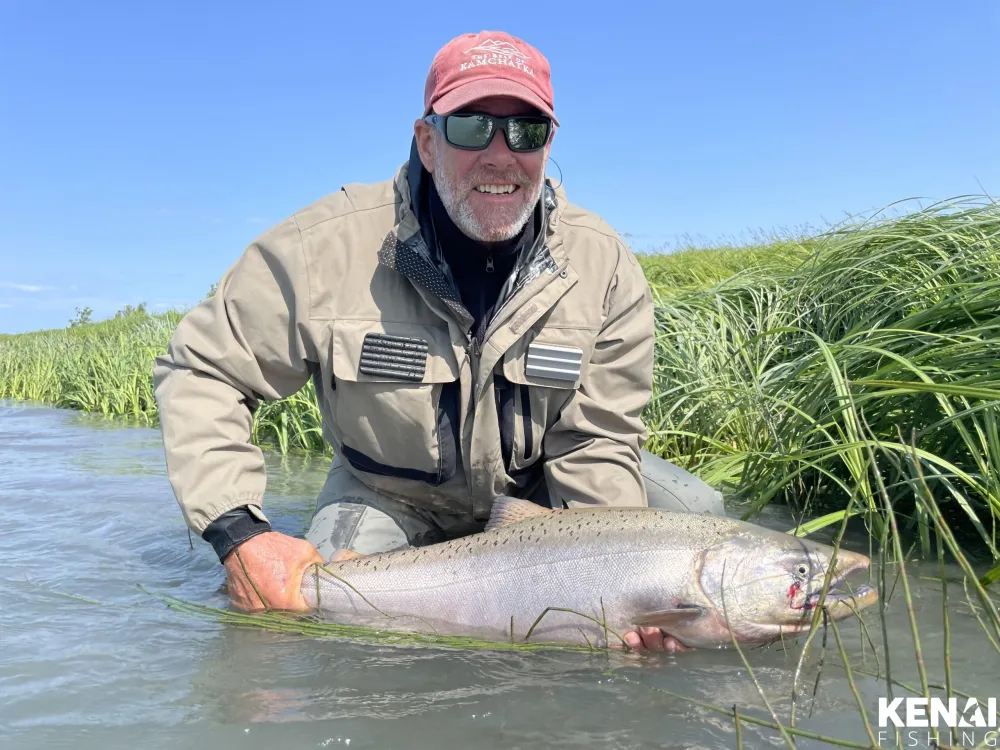
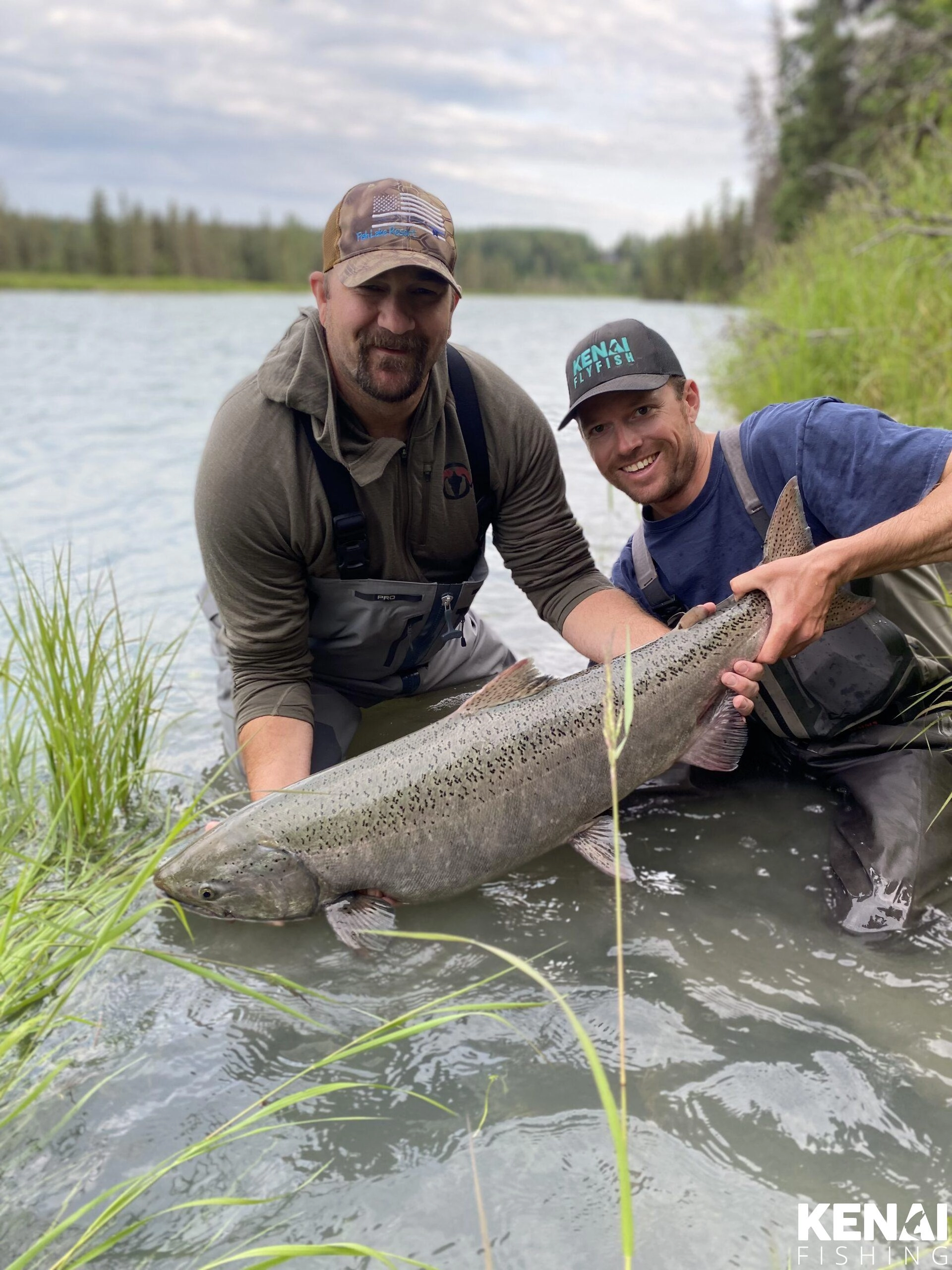
Deep Creek is a scenic, gravel-bottom stream that runs into Cook Inlet at Deep Creek State Recreation Area near Ninilchik. Known for its early-season king salmon runs, it offers outstanding walk-and-wade bank fishing. Because it is a small stream, king salmon are highly responsive to tidal flows and rain-driven water clarity. Tracking the ADF&G weir counts is essential to locate fresh runs.
Deep Creek Picket Weir
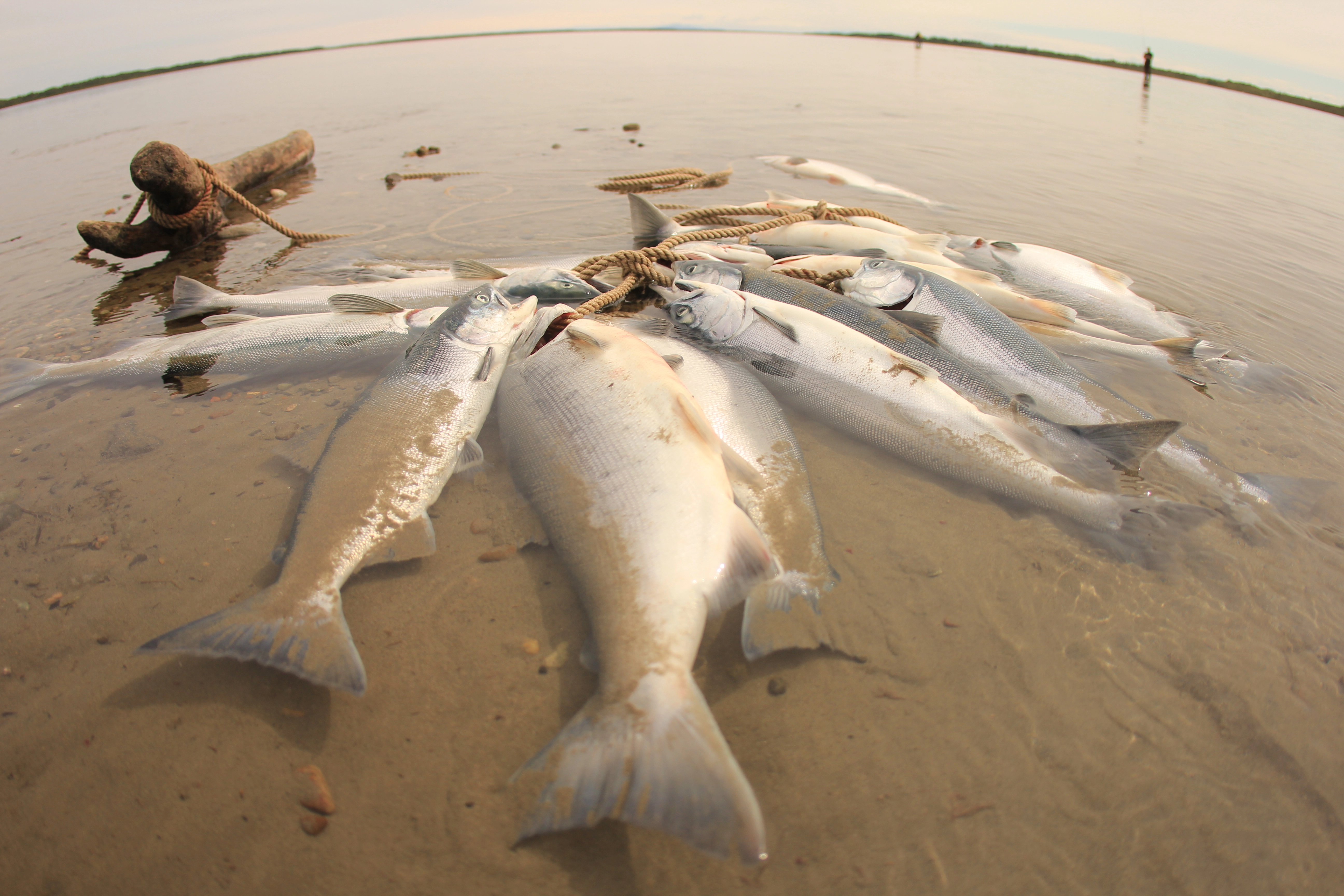
ADF&G monitors king salmon passage using a visual picket weir, sorting spawners upstream.
Tidal Inflow Peaks
Incoming high tides push fresh sea-run kings into the lower pools, offering prime action.
350 - 800 SEG Goal
Low escapement thresholds require careful management and strict gear rules.
From the River
Live Deep Creek King Weir Chart

*Weir counts record cumulative daily passage. Data is provided by ADF&G and updates daily during the spring season. Historical years can be selected in the dropdown.
Inside the Deep Creek Weir
The Deep Creek weir is a seasonal picket weir installed and managed by the Alaska Department of Fish and Game. Positioned a few miles upstream from the saltwater mouth, it blocks the upstream migration channel, directing salmon through a narrow counting chute.
Staff monitor this chute visually, counting each king salmon that travels upstream. These counts represent the exact spawning escapement that reaches Deep Creek's upper spawning beds. If cumulative counts lag behind historical curves, managers will restrict the downstream sport fishery immediately.
Tidal Influence & Migration Patterns
Deep Creek's lower section is strongly affected by Cook Inlet tides. During low tide, the river is shallow and gravel runs are exposed, causing king salmon to pool in the deeper saltwater estuary outside the mouth.
As the high tide rolls in, it floods the lower river channel, creating a deep corridor. King salmon use this tidal push to swim upstream into the fresh water. Fishing the lower pools about 2 hours before high tide and 1 hour after is the prime window. The incoming fish are fresh, energetic, and highly aggressive, striking lures readily before they find deep holding pools upstream.
Water Clarity & Turbidity Issues
As a clear-water mountain stream, Deep Creek's fishing conditions depend heavily on weather and spring snowmelt. During heavy rain or warm spells that cause rapid snowmelt in the Caribou Hills, the river can blow out.
Clay banks along the upper river release fine sediments when water levels rise, turning the river a murky brown. Under turbid conditions, king salmon cannot see lures, and fishing slows down dramatically. Conversely, during dry spells, the water becomes crystal clear, requiring light fluorocarbon leaders and stealthy presentations to avoid spooking the fish.
Small-Stream Angling Tactics
Targeting Deep Creek kings requires light tackle and an active walk-and-wade approach:
- Casting Spinners: Cast size 4 or 5 Vibrax spinners upstream, retrieving them slowly along the bottom of deep bends. Silver, pink, and orange blades are local favorites.
- Drifting Soft Beads: Float soft beads (10mm to 14mm) under an indicator, mimicking stray salmon eggs. Drift them close to the gravel in current seams.
- Swinging Flies: Use sink-tip lines to swing large streamer flies, such as egg-sucking leeches or intrusion patterns, through the deep pools.
Historical Deep Creek King Weir Totals
| Year | Total Weir Count | Status | Management Notes |
|---|---|---|---|
| 2022 | 480 | Met Goal | Stable escapement recorded within the SEG window. |
| 2023 | 310 | Low Run | Run fell slightly below the target, triggering early closure. |
| 2024 | 410 | Met Goal | Sufficient counts recorded to meet minimum escapement targets. |
| 2025 | 550 | Healthy | Good run strength met the mid-range of escapement goals. |