

In-Season Regulatory Notice: Bag limits, gear restrictions, and season dates are subject to in-season ADF&G liberalization or restriction by Emergency Order. Always check official ADF&G Emergency Orders before fishing.
Pink Salmon
Called "humpies" for the distinctive hump males develop at spawning, Pink Salmon are the most abundant Pacific salmon species and put on one of the most spectacular shows on the Kenai Peninsula. Aggressive, plentiful, and scrappy — perfect for all skill levels.
About Pink Salmon
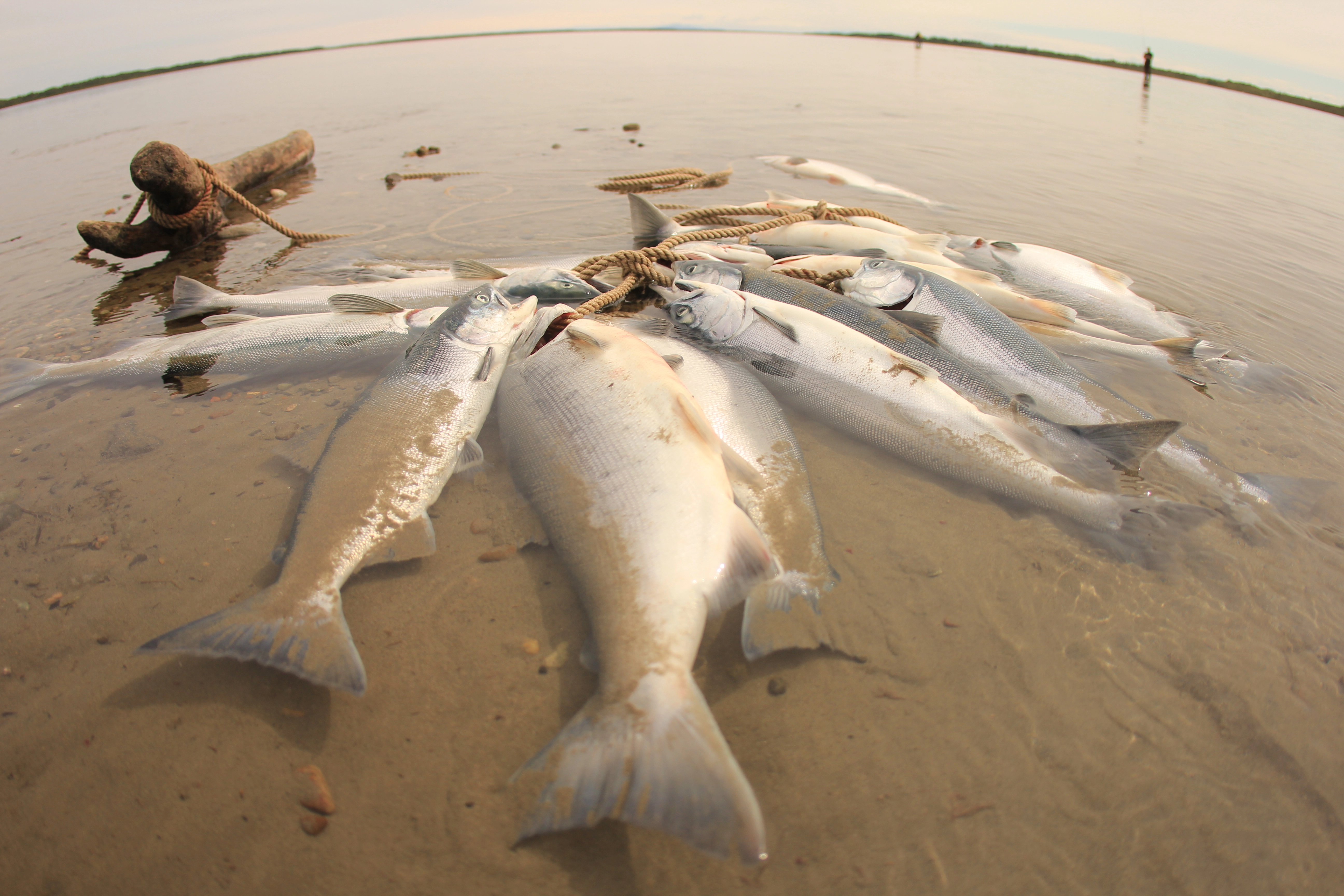
Pink Salmon are the smallest of the five Pacific salmon species but what they lack in size they make up for in sheer volume. In odd years, the rivers of the Kenai Peninsula see massive pink salmon invasions — literally millions of fish moving through the system in a matter of weeks.
Unlike sockeye which often require specific techniques, pinks are aggressive and will strike spinners, spoons, and flies readily. They're the ideal species for introducing kids and beginners to Alaska salmon fishing — the action is constant and the fights are surprisingly spirited on light gear.
Peak run timing on the Kenai Peninsula is typically late July through mid-August. Because pinks return on a strict 2-year cycle, odd years (2025, 2027) see dramatically larger returns than even years. 2026 will see reduced pink salmon numbers compared to 2025.
Fishing Tips
Best Lures
Small pink/chartreuse spinners (size 2–4), small spoons, and pink or white streamers on the fly rod. Pinks are aggressive — presentation matters less than being in the right spot.
Where to Find Them
Lower Kenai River near the mouth, the Anchor River, and the beaches of Cook Inlet. Pinks stage in saltwater before pushing into rivers — look for schools of fish just offshore.
Timing the Bite
Pink salmon are more active during low-light conditions — early morning and evening produce the most consistent action. Fresh, sea-liced fish right off the tide bite best.
Add Pink Salmon to Your Trip
During pink salmon season, our guides often combine pink salmon fishing with sockeye or silver salmon for maximum action. Ask about our combo trip options.
Book a Combo Trip