


Lower Kenai River Fishing
Soldotna to Cook Inlet — where saltwater meets freshwater and the freshest fish in the river system arrive first. The lower Kenai is a tidal zone: the incoming tide pushes salmon upstream in concentrated pulses, creating predictable and highly productive bite windows for anglers who know how to time them.
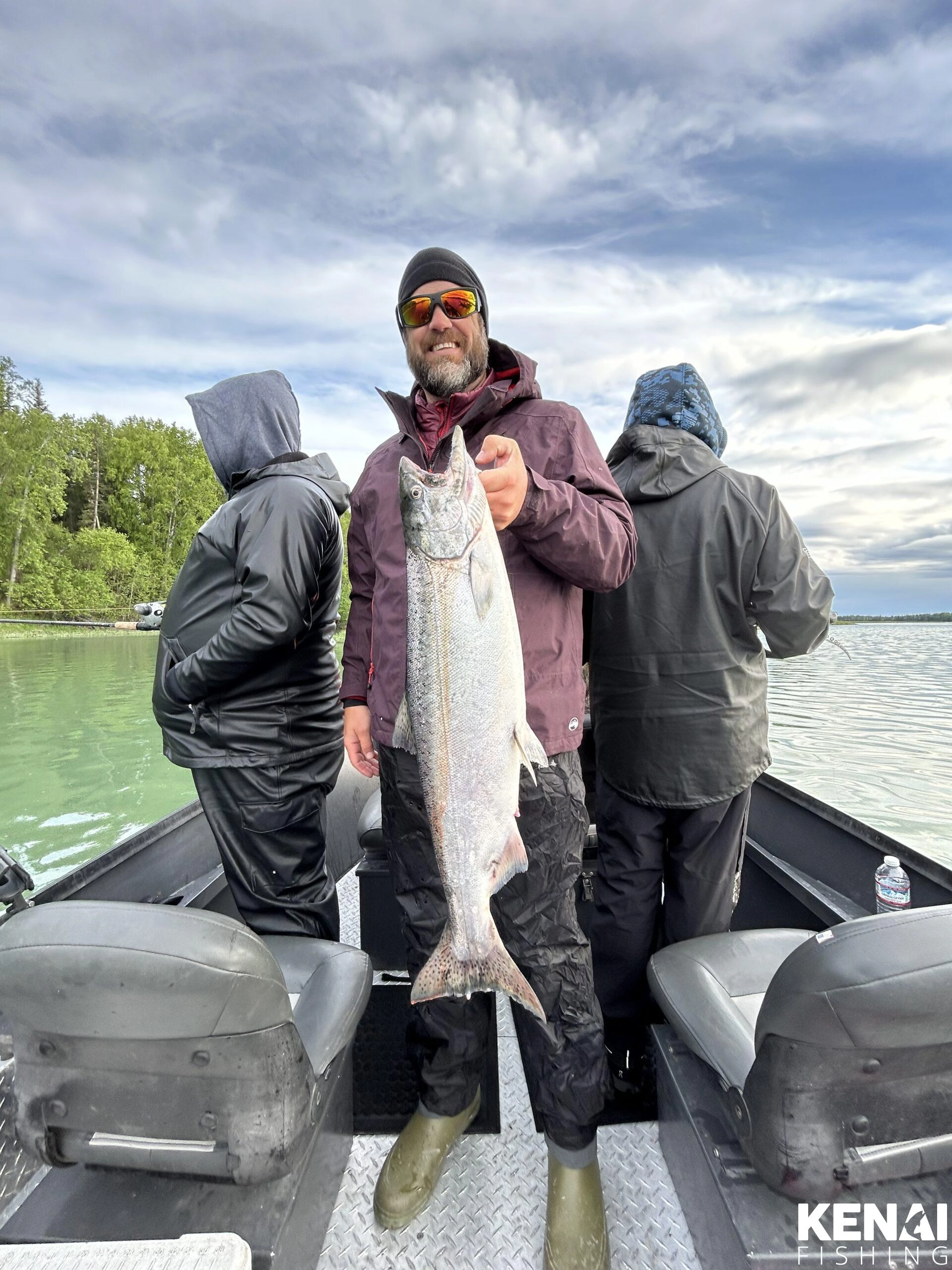
Ocean-Fresh Kings
May–July (when open)
The first King Salmon of the season enter the lower river still carrying sea lice — proof they arrived hours or days before. These fish haven't encountered fishing pressure, haven't eaten in weeks, and hit gear with tremendous force. Check ADF&G emergency order status before booking.
First Sockeye Push
Mid June–July
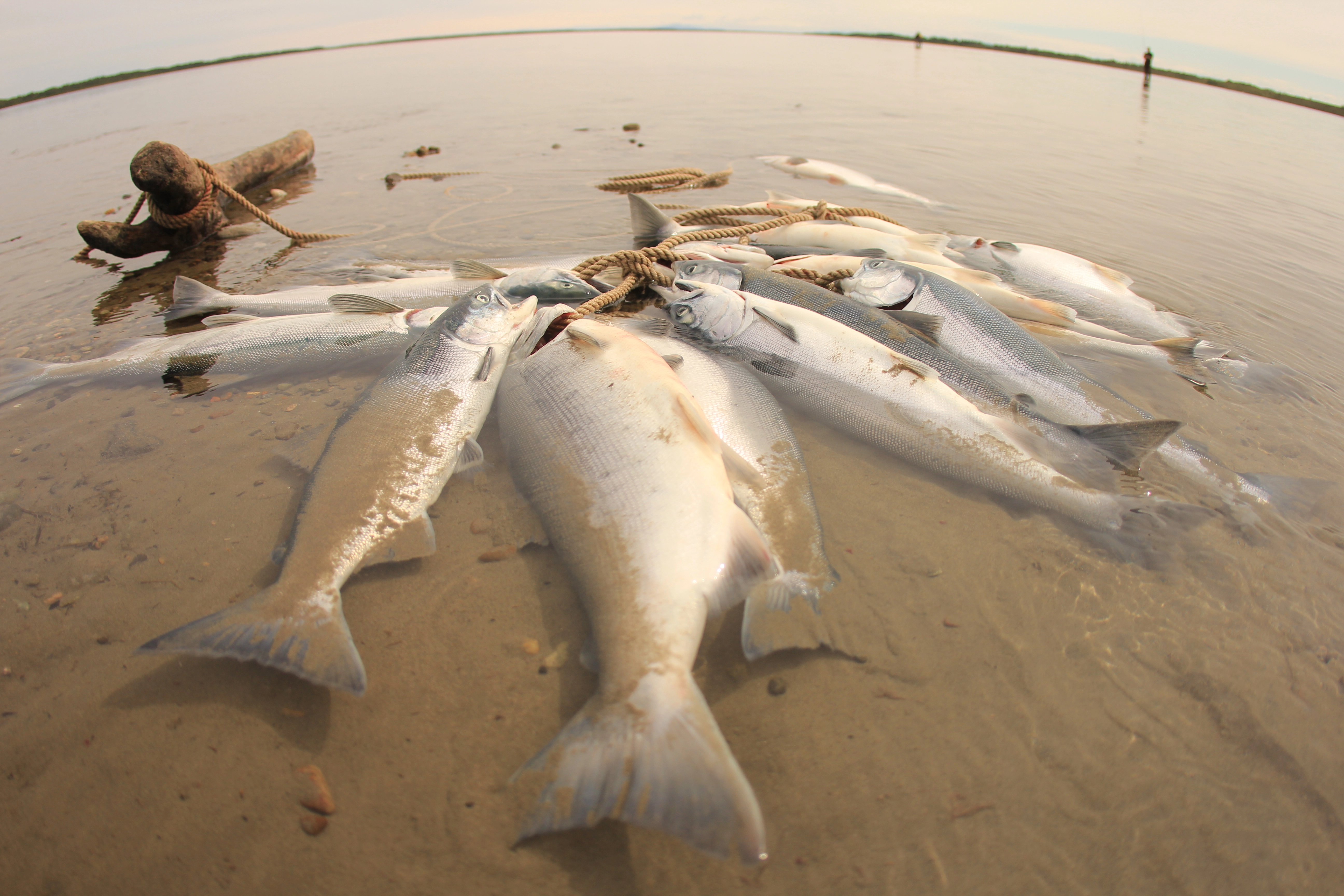
Lower river Sockeye are the first reds in the system — brightest chrome, tightest schools, most aggressive. Bank anglers and boat fishers alike find the lower river's wide gravel bars and tidal pools productive during the first wave of the late run.
Tidal Coho
August–September
Silver Salmon hold in the tidal transition zone in August before moving upstream. Lower river Coho are chrome-bright and explosively aggressive — among the most entertaining fish to target on lighter tackle in the entire system.
Dipnetting Zone
July
The lower Kenai near the mouth is open for personal use dipnetting during July. Our guided trips operate above the dipnetting zones — full commercial-style fishing gear, licensed guide, and no competition for space.
Fishing the Tidal Window
The 2–3 hours before high tide on the lower Kenai is the single most productive bite window of the day. Incoming tidal current concentrates salmon schools and triggers aggressive feeding behavior. Our guides monitor the Kenai City Pier tide chart daily and schedule lower river trips to align with peak tidal push.